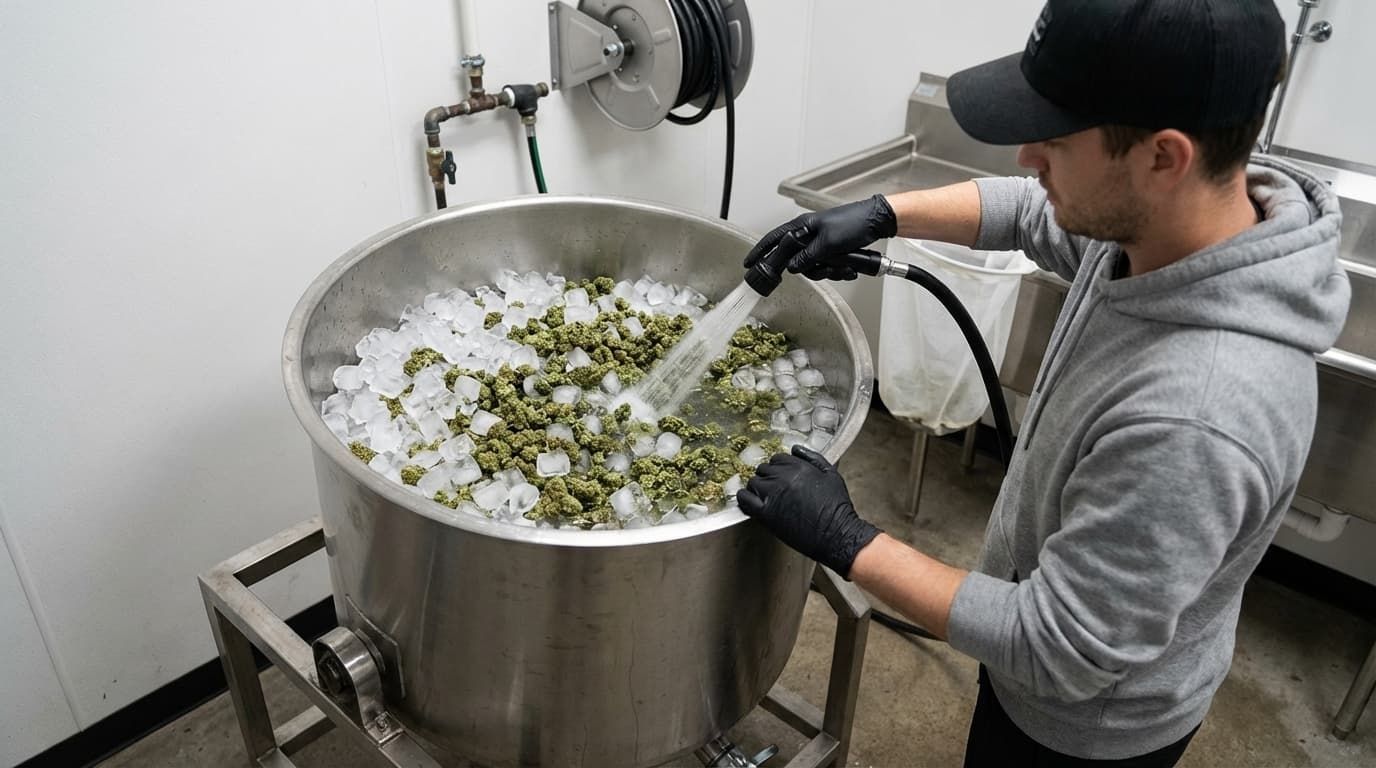
Making bubble hash is the process of stripping trichomes from cannabis using nothing but ice, water, and movement. By freezing the resin glands until they're brittle, you can snap them off the plant material and filter them through a series of screens. The result is a pure, solventless concentrate that captures the full profile of the plant. This guide covers the equipment you need and the exact steps to produce high-quality hash at home or in a lab.
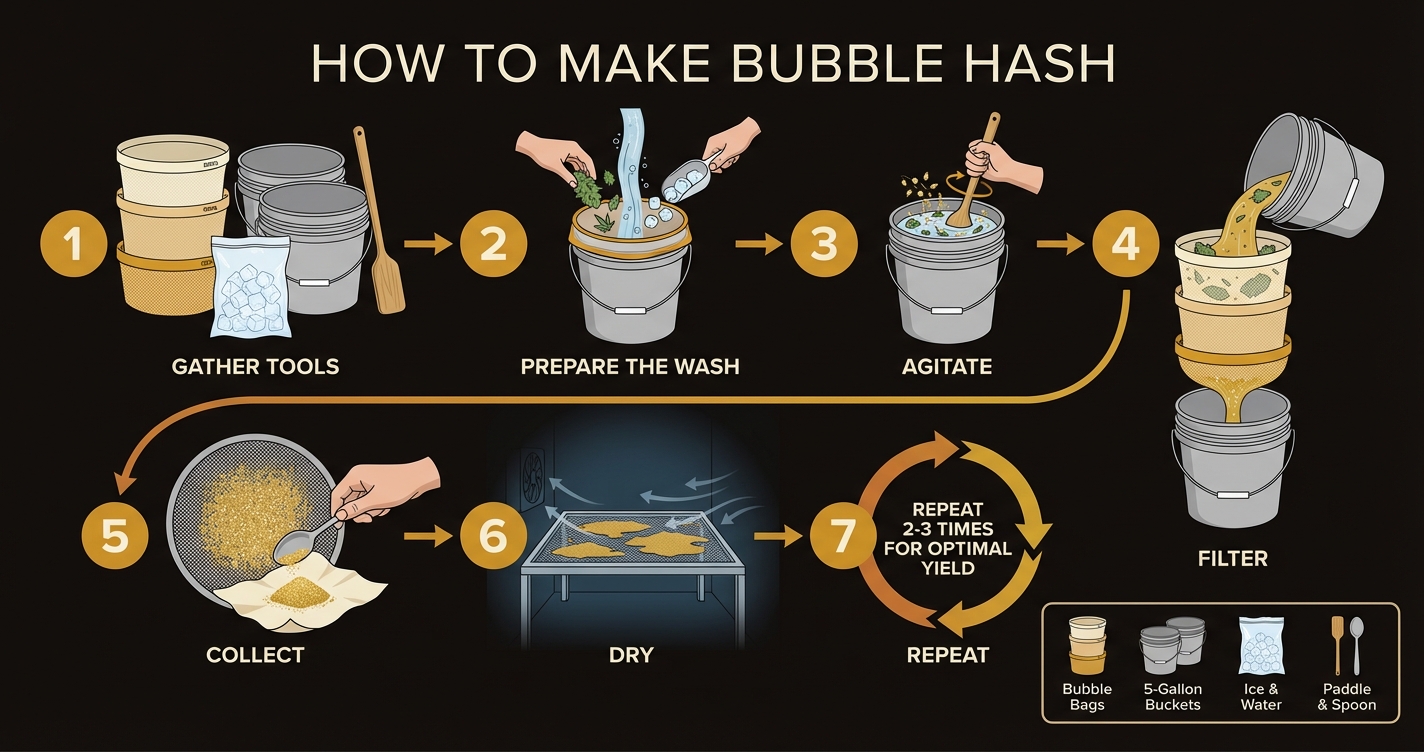
The Fundamentals of Bubble Hash
Bubble hash relies on a simple physical principle: trichomes sink in water while plant material floats. When you submerge cannabis in ice water, the resin heads become cold and break away from their stalks. These heads are then caught in "bubble bags"—fine mesh filters measured in microns. Each bag catches a different size of resin head, allowing you to separate the premium melt from the lower-grade material.
There is a major difference between standard bubble hash and live rosin. Bubble hash is the raw product collected from the bags. Live rosin is what you get when you take that hash (if it was made from fresh-frozen material) and press it with heat to turn it into a dabbable oil. The quality of your hash is the single most important factor in the quality of your final rosin. Common errors like using warm water or stirring too hard will introduce plant matter and ruin your clarity.
Step-by-Step Guide
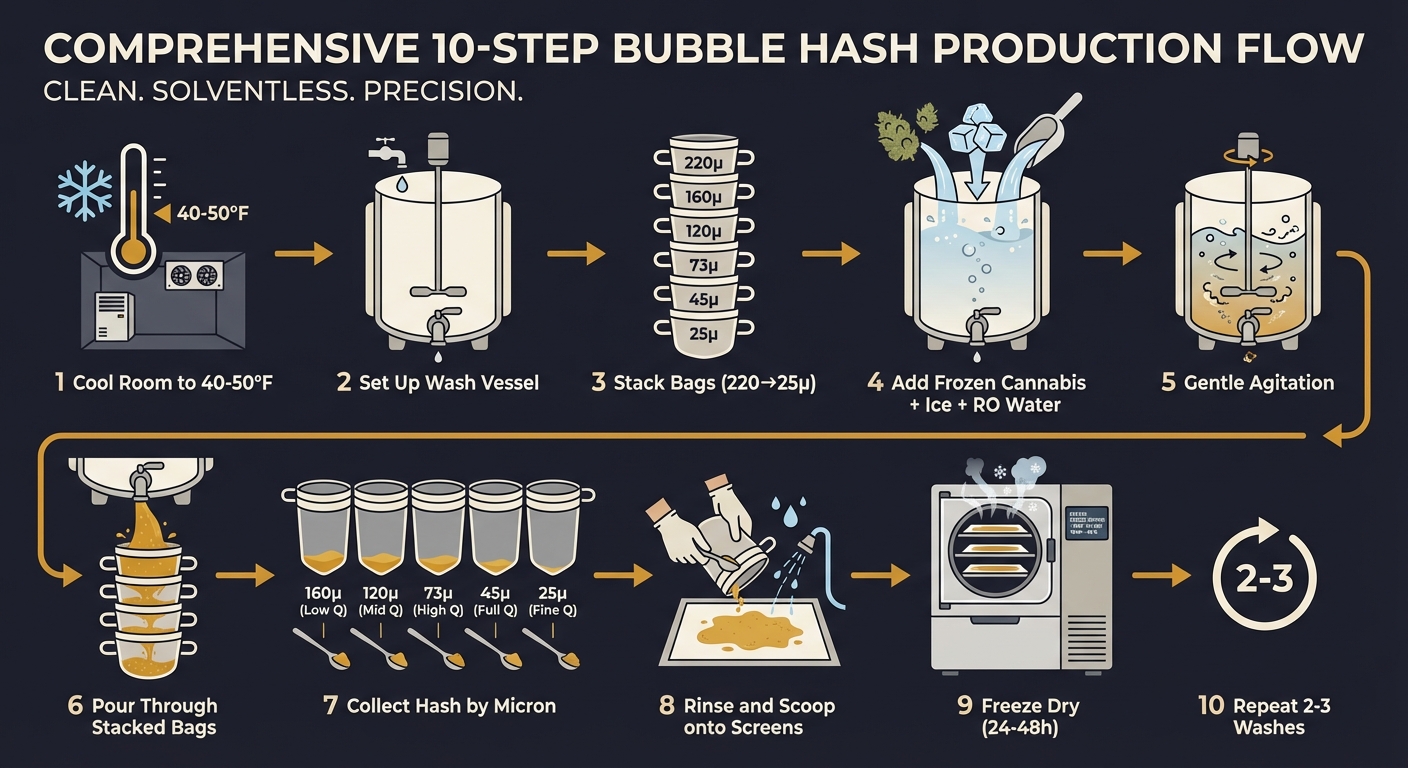
Following a consistent workflow is the only way to get repeatable results. Here is how to handle a professional-style wash.
1. Prepare Your Workspace
Heat is the enemy of hash. Your room needs to be cold—ideally in the 40°F to 50°F range. If the air is warm, your ice will melt too fast and the trichomes will soften, making them harder to separate. A dedicated air conditioner or a well-insulated room is a requirement for serious production.
Everything in your lab must be spotless. Sanitize every bucket, bag, and tool before you start. Dust, hair, and old plant debris are the most common contaminants in home-made hash. If your environment isn't clean, your product won't be either.
2. Select Your Wash Vessel
The container you use affects how well you can maintain temperature and cleanliness. Most producers choose between these options:
- Stainless Steel Vessels: These are the professional choice. 304 stainless steel is easy to sanitize and has no seams where mold can grow. Popular units like the Lowtemp Osprey or the Hashtek 85t offer automated agitation and insulation, though they come with a high price tag.
- Food-Grade Plastic: A 55-gallon Rubbermaid Brute is the standard entry-level option. It works well for small batches, but plastic is harder to sanitize than steel and can develop scratches that harbor bacteria over time. If you use plastic, replace your buckets once they show signs of wear.
3. Choose Your Bubble Bags
You need a set of filter bags with varying micron sizes. A standard 8-bag set usually includes 220, 190, 160, 120, 90, 73, 45, and 25 microns. This range allows you to isolate the "full spectrum" of the plant's resin.
- Commercial Grade: Boldtbags and BubbleBags Original are known for their durability and stainless steel rings that make collection easier. They are built to withstand hundreds of washes.
- Budget Kits: BubbleBagDude offers all-mesh bags that are affordable for beginners. They get the job done but may not last as long as the heavy-duty nylon options.
You'll also need a clean paddle for stirring, parchment paper for collecting the wet hash, and a 25-micron screen for initial drying.
4. Use Pure Water and Ice
Don't use tap water. The minerals and chlorine in city water can ruin the flavor of your hash. Reverse osmosis (R/O) water is the only way to ensure a neutral, clean product. If you can't get R/O water, distilled water is the next best choice.
Your ice should be made from the same filtered water. Many labs produce their own ice in-house to avoid the contaminants found in store-bought bags. Dense, solid ice cubes are better than hollow ones because they stay frozen longer during the wash.
5. Prepare the Material
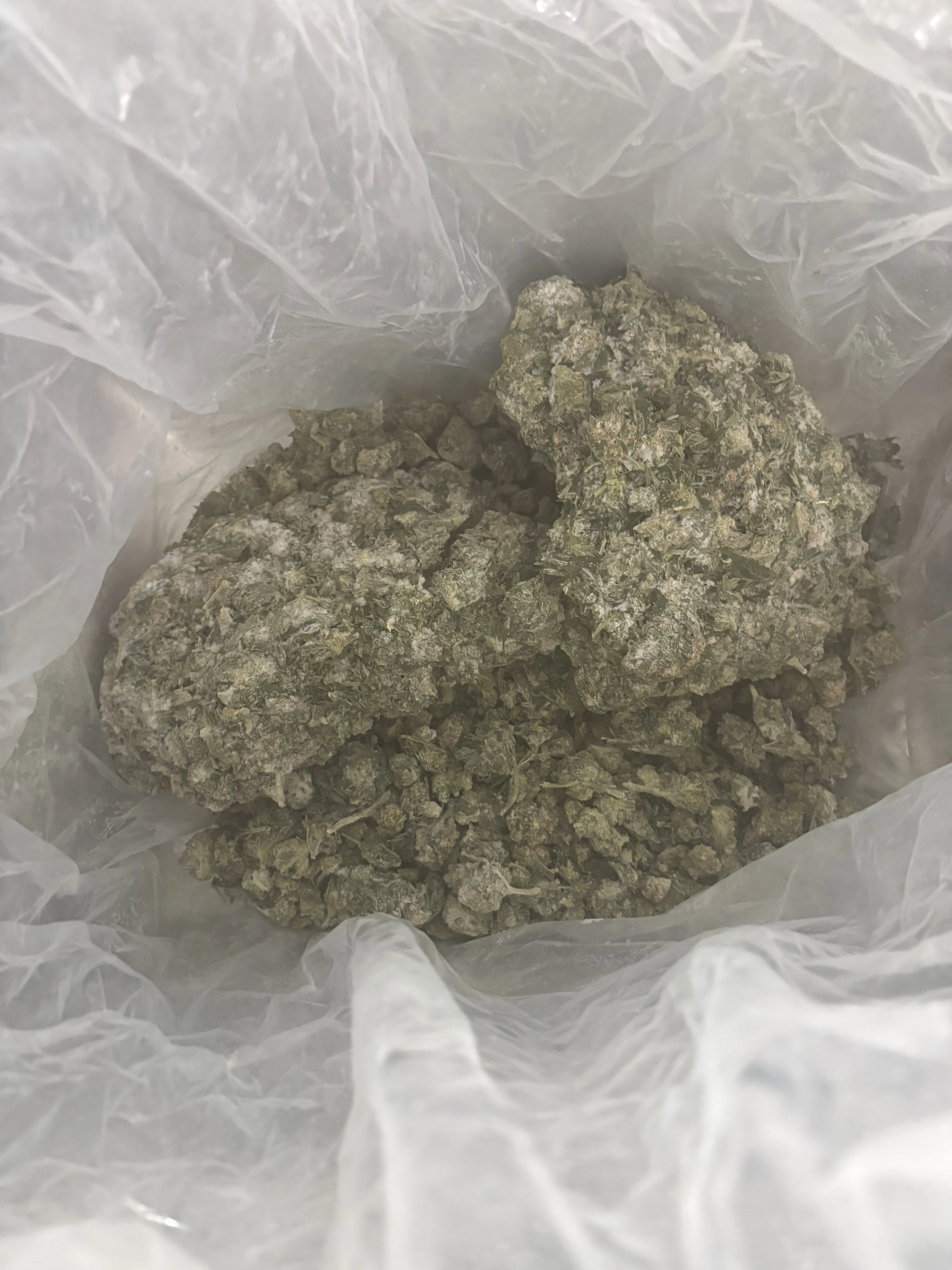
Start with frozen material. Using "fresh frozen" cannabis—material that was frozen immediately after harvest—will give you "live" hash with the best terpene profile. Place your 220-micron "work bag" in the vessel, add your frozen cannabis, and layer in the ice. Top it off with cold R/O water until everything is submerged. Aim for a water temperature between 33°F and 38°F.
6. Agitate the Wash
Stir the mixture slowly. The goal is to create enough movement to snap off the trichome heads without breaking the plant material itself. If you stir too fast, you'll end up with "green" hash full of chlorophyll. Consistent, gentle movement for 5 to 10 minutes is usually enough for the first wash.
7. Filter the Resin
Pull the 220-micron work bag out and let it drain. Then, pour the remaining water through your stacked filter bags. The bags should be arranged from largest micron (top) to smallest (bottom). Each layer will catch a different quality of hash. The 73 and 90-micron bags typically hold the highest-quality resin heads.
8. Collect Your Yield
Remove the bags one at a time. Use a small stream of cold water to rinse the hash toward the center of the mesh. Scoop the wet hash onto parchment paper or a 25-micron screen. Make sure to label each pile so you don't mix up your 45-micron "food grade" with your 90-micron "six-star" hash.
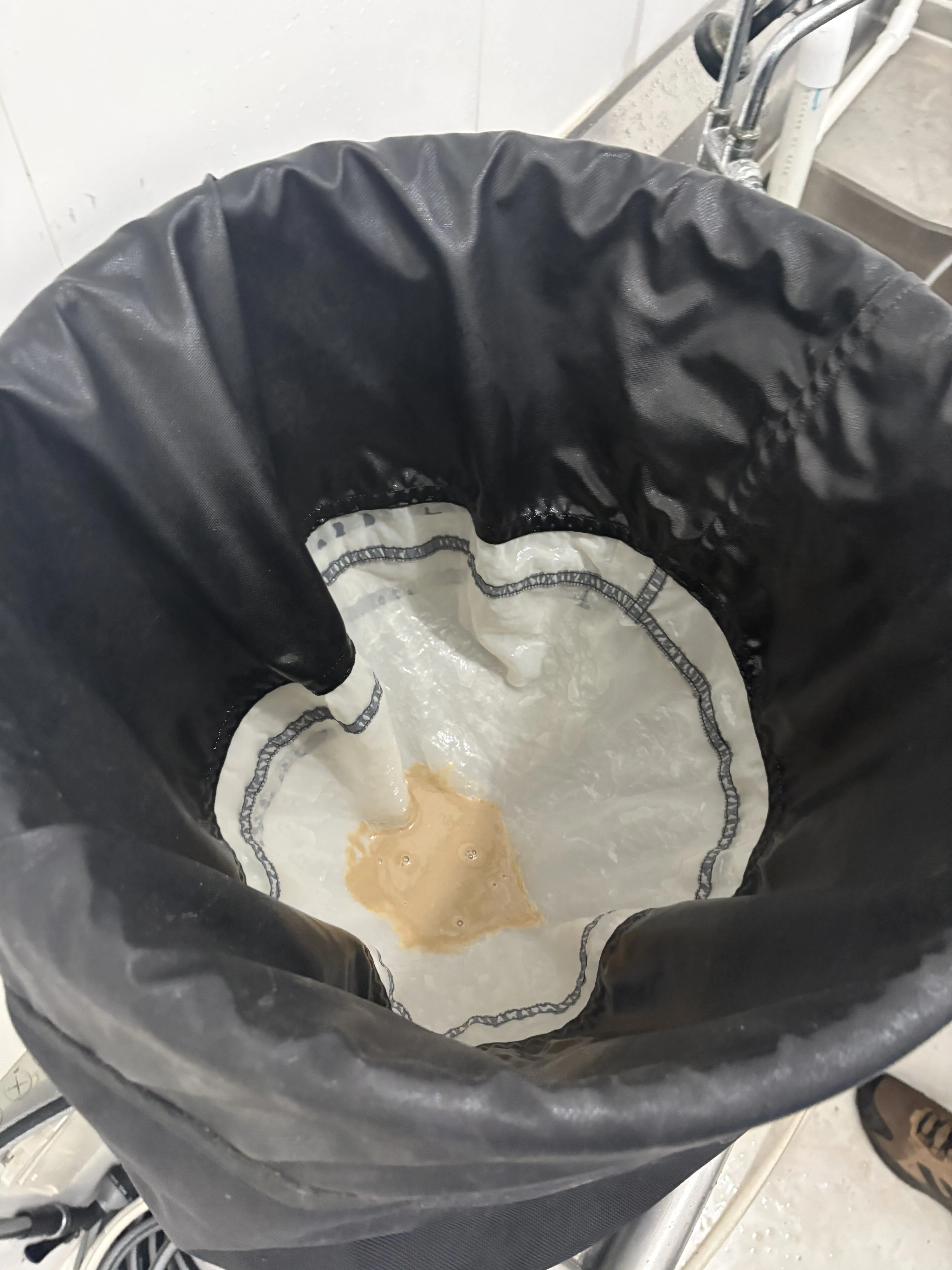
9. Dry the Hash Properly
Moisture is the biggest threat to your batch. Professional labs use freeze dryers to pull moisture out of the hash at sub-zero temperatures. This preserves the color and flavor perfectly. Most makers grate the wet hash onto trays before freezing to ensure it dries evenly.
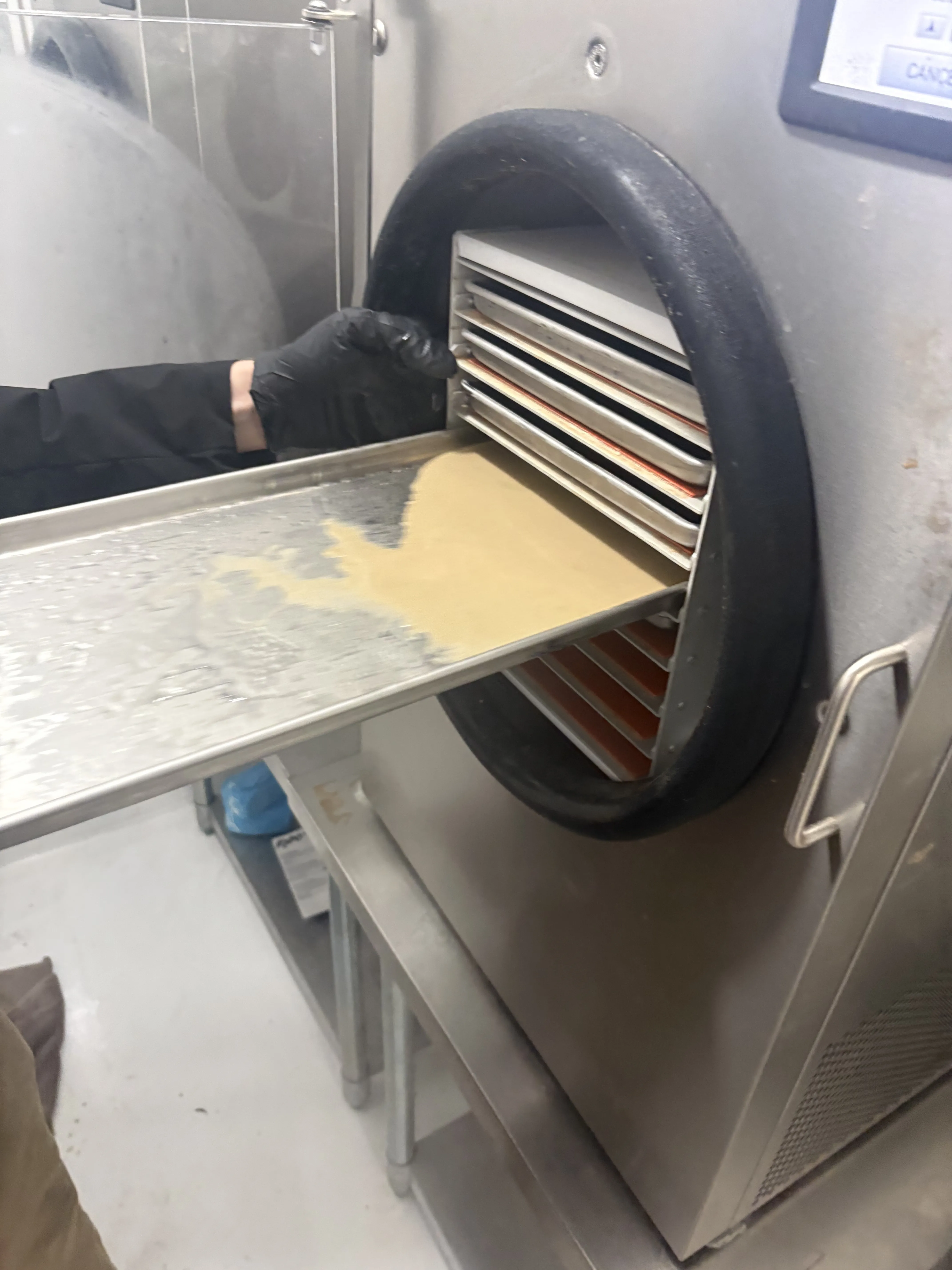
If you don't have a freeze dryer, you can air dry the hash in a cold, dark room with low humidity. This method takes much longer and can lead to some oxidation, but it works if you keep the hash spread very thin on drying screens.
10. Perform Additional Washes
You can usually wash the same material two or three times. The first wash will always be the best quality. Subsequent washes will yield more hash, but it will gradually become darker and less potent as more plant matter enters the mix.
Expert Tips for High-Quality Hash
- Material is Everything: You can't make 6-star hash from bad trim. Start with high-quality genetics and material that was frozen at the peak of freshness.
- Control Your Environment: A warm room will ruin your yields. Use an AC to keep your workspace cold and your ice solid.
- R/O Water is a Requirement: Tap water contains chemicals that affect the flavor and purity of the final product. Always use filtered water for the wash and the ice.
- Keep it Clean: Scratched plastic buckets are breeding grounds for bacteria. If you're serious about long-term production, invest in stainless steel.
- Be Patient with Drying: Never rush the drying phase. Even a tiny bit of moisture can cause mold to grow in your jars.
Common Pitfalls
- Over-Stirring: This is the most common mistake. Aggressive agitation breaks down leaves and stems, turning your hash green.
- Warm Water: If your water gets above 40°F, you're losing quality. Keep it as close to freezing as possible.
- Incomplete Drying: Mold can ruin a batch in days. Ensure your hash is "bone dry" before you seal it in a jar.
- Using Unfiltered Ice: Store-bought ice is often made from tap water. If you use it, you're reintroducing the same minerals you tried to avoid.
Further Reading
- Hashish — Wikipedia
- Bubbleman's World — YouTube
- How to Make Bubble Hash — PurePressure
- What Is Bubble Hash? — Leafly
Bubble Hash Making FAQ
How is bubble hash different from live rosin?
Bubble hash is the raw resin heads collected from ice water. Live rosin is what you get when you take that hash and press it with heat. Think of hash as the ingredient and rosin as the refined product.
Why is drying so important?
If you don't remove every bit of moisture, the hash will mold. Mold makes the product unsafe to use and can ruin an entire harvest's worth of work.
What's the best material for washing?
Fresh-frozen flower is the best choice. It preserves the live terpene profile and usually yields the highest quality "melt."
How many times can I wash the same weed?
Most makers do two or three washes. By the fourth wash, the quality drops significantly and you'll mostly be collecting plant debris.