What Solventless Means
Solventless extraction makes cannabis concentrates without chemical solvents like butane, propane, or ethanol. Instead, it uses physical processes: heat, pressure, ice water, or agitation to separate trichomes and cannabinoids from plant material. The result contains only compounds naturally present in the plant.
How Solventless Extraction Works
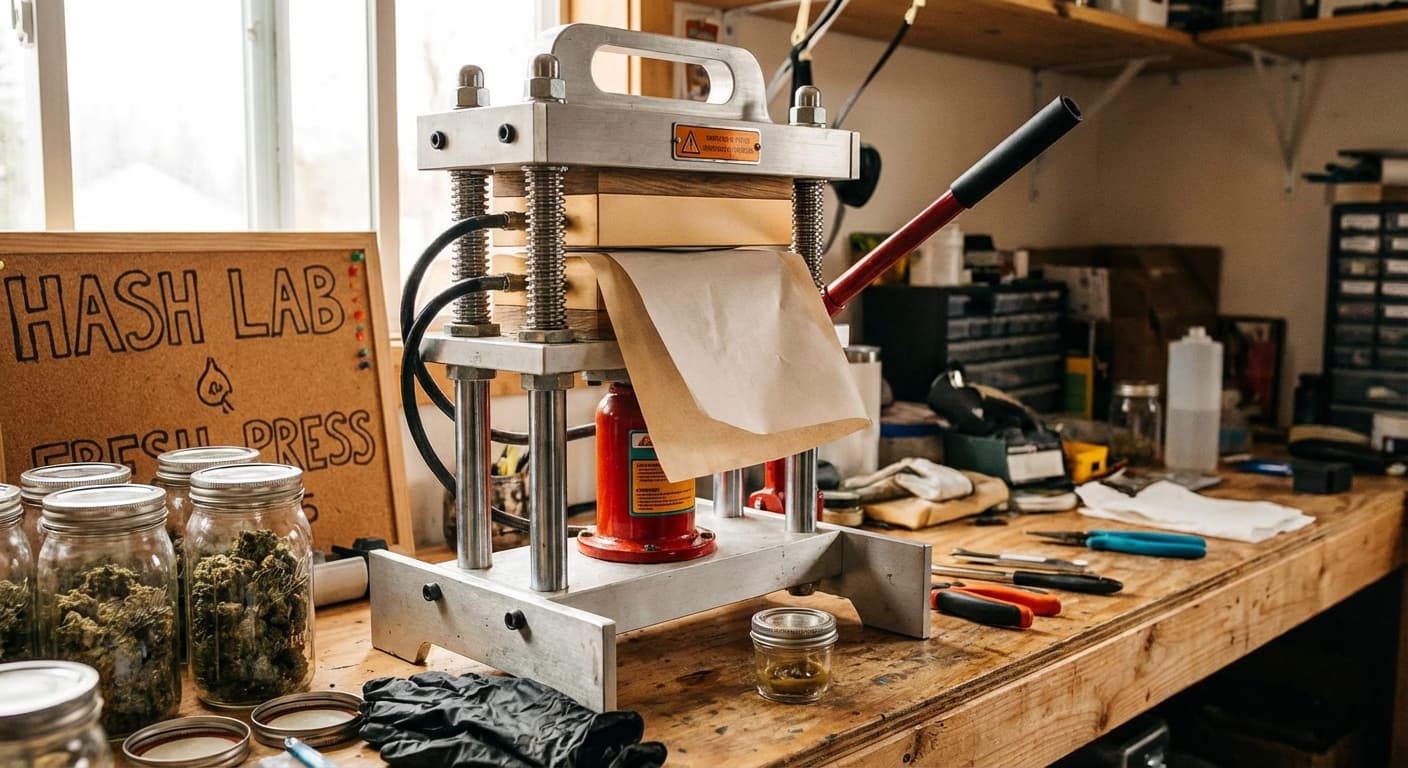
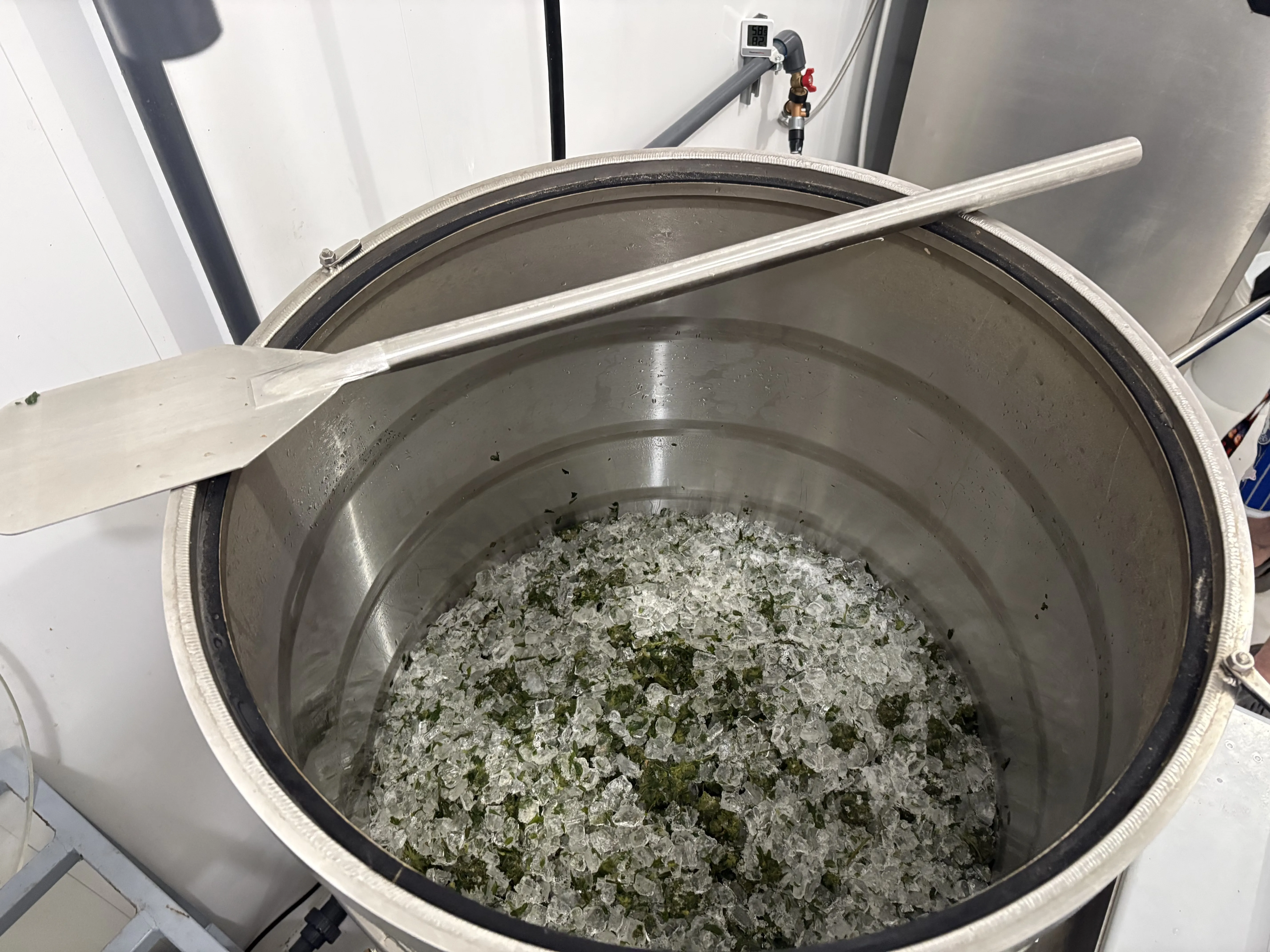
Solventless methods pull cannabinoids and terpenes out of cannabis mechanically and thermally, not chemically. The main methods: rosin pressing (heat and pressure), ice water hash (freezing and agitation), and dry sift (screening).
These keep the original chemical profile of the source material intact without adding foreign substances. The concentrates (rosin, bubble hash, dry sift) contain the same cannabinoids and terpenes as the flower, just concentrated. Solventless products tend to retain more of the plant's terpene profile than solvent-based extractions, which can degrade heat-sensitive compounds during purging.
"Solventless" means no chemical solvents were used during extraction. Water and heat aren't considered solvents here because they don't dissolve the target compounds. They physically separate trichome heads from plant material.
Fresh frozen material (cannabis frozen right after harvest) often produces better solventless concentrates than dried and cured flower. This is especially true for ice water hash, where freezing preserves terpenes that would otherwise break down during drying.
Solventless vs. Solvent-Free
These terms mean different things. Solvent-free describes a final product after all solvents have been purged out. Solventless means no solvents were involved at all. A properly purged BHO is solvent-free but not solventless.
CO2 extraction causes confusion here. Some retailers label it solventless, but it uses pressurized carbon dioxide as a solvent. CO2 is natural and non-toxic, but the method is still solvent-based.
Live resin and live rosin get mixed up constantly. Live resin uses solvents on fresh-frozen material. Live rosin uses solventless techniques on the same starting material. "Live" refers to the input material being fresh, not the extraction method. Only live rosin is solventless.
Why Solventless Matters
A few practical reasons. Consumers who avoid chemical processing look for solventless products for purity. These products also remove any concern about residual solvents, which need testing and regulation in legal markets.
On the production side, solventless extraction needs less regulatory oversight because no hazardous chemicals or closed-loop systems are involved. But solventless methods yield less than solvent-based extraction, which is why retail prices run higher. Lower yield, higher purity. That tradeoff is the central decision for both producers and buyers.
Temperature control is critical. Too much heat degrades terpenes and changes the product's consistency and flavor.
How to Verify Solventless Products
What to look for:
- Rosin: heat and pressure only, glossy and sappy texture
- Bubble Hash: ice water agitation, granular or pressed
- Dry Sift: mechanical screening, fine powder or pressed blocks
- Temple Balls: hand-rolled from bubble hash or dry sift
On labels, look for terms like "pressed," "ice water," or "sifted." Avoid anything mentioning butane, propane, ethanol, or CO2. True solventless products shouldn't need solvent residue testing. Details about fresh frozen starting material usually indicate higher quality.
The equipment tells the story too. Rosin presses, bubble bags, mesh screens, freeze dryers. None of these require the closed-loop systems or vacuum purging rigs used in solvent-based extraction.
Further Reading
- Cannabis Concentrate, Wikipedia
- What Is Solventless Cannabis?, Leafly
- Guide to Trichomes and Solventless Extraction, The Press Club
Solventless Concentrates FAQ
Is solventless extraction better than solvent-based methods?
Neither is objectively better. Solventless preserves more of the original plant profile but yields less. Solvent-based methods get higher yields and different textures, but need purging to remove residual chemicals.
Why do solventless concentrates cost more?
Lower yields and more labor. Ice water hash needs multiple wash cycles and extensive drying. Rosin pressing yields 15-25% of input weight versus 20-30% for solvent extraction.
Can you make solventless concentrates at home?
Where legal, yes. Rosin needs a heat press and material. Ice water hash needs bubble bags, ice, and agitation equipment. Check local laws first.
Do solventless concentrates taste better?
They often retain more of the original terpene profile because there's no high-heat purging step. But flavor depends on starting material, processing technique, and storage as much as extraction method.
How should solventless concentrates be stored?
Airtight containers in cool, dark conditions, 60-70°F. Rosin degrades faster at room temp, so refrigeration helps. Bubble hash needs to stay dry to avoid mold. Dry sift needs protection from humidity and light.
What's the difference between full melt and regular bubble hash?
Full melt is mostly trichome heads with almost no plant contamination. It melts completely when heated. Regular bubble hash has more plant material and may leave residue. Full melt comes from the finest micron screens (73-90 microns) and is the highest grade of solventless hash.
What affects solventless quality most?
Starting material. Fresh frozen produces better results than dried flower. Temperature control is second: keeping things cool preserves terpenes. Proper drying, especially for bubble hash, also matters a lot.
Further Reading
- Cannabis Concentrate, Wikipedia
- What Is Solventless Cannabis?, Leafly
- Guide to Trichomes and Solventless Extraction, The Press Club