 full melt (pale cream, zero residue)" width="1200" height="630" style="width:100%;height:auto;border-radius:0.5rem;" loading="lazy" />
Hash grades tell you one thing: how much of the plant is left in your concentrate. When you see a star rating on a menu, it isn't just a random number. It's a measure of how cleanly that hash will melt. If you're looking for something to dab, the grade is the difference between a smooth, flavorful hit and a blackened, charred banger. This guide breaks down the 1-to-6 star scale so you know exactly what you're paying for.
The 1-to-6 Star Grading Scale
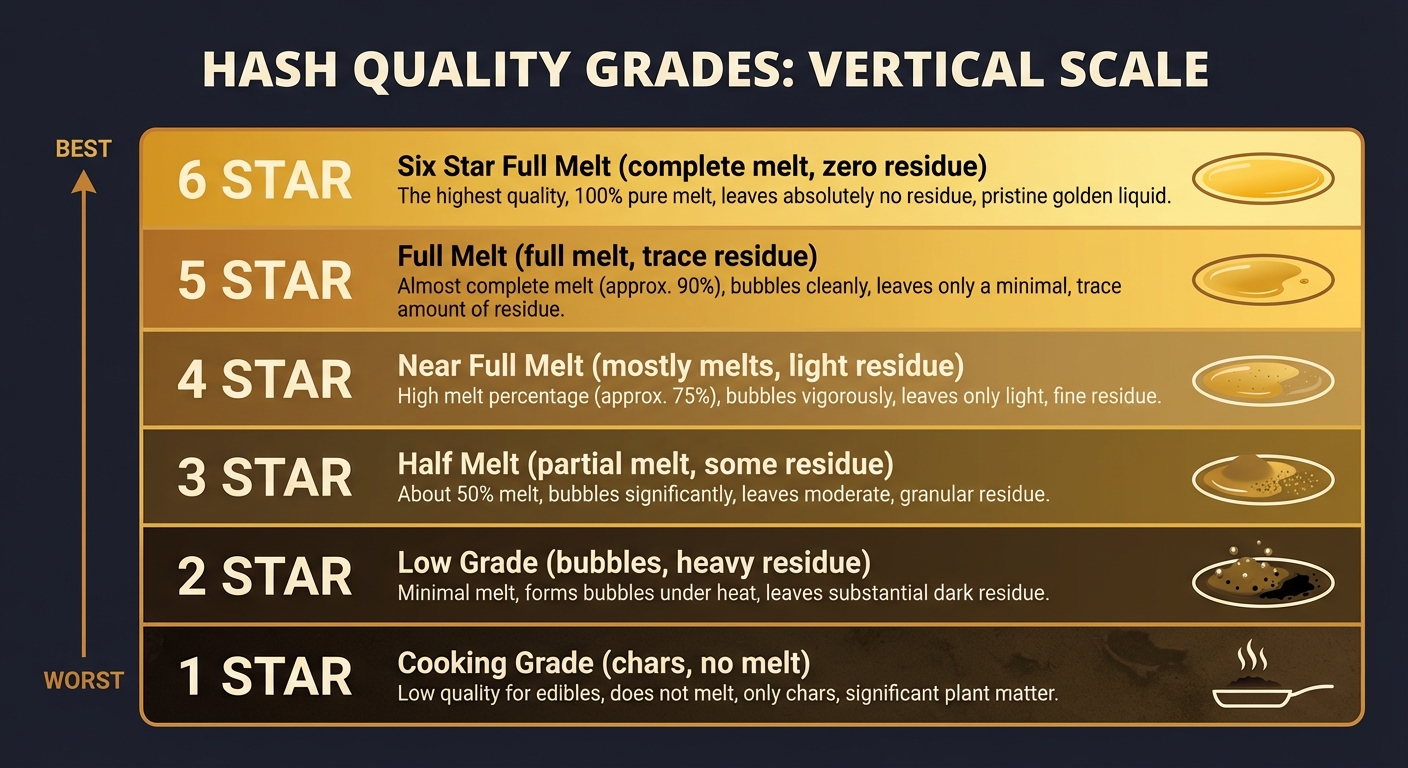
The star system is the most common way to judge hash quality. It focuses on "melt behavior"—what happens when you apply heat to the resin. A high-grade hash is almost pure resin heads, while a lower-grade product contains more stalks, leaves, and "plant dust."
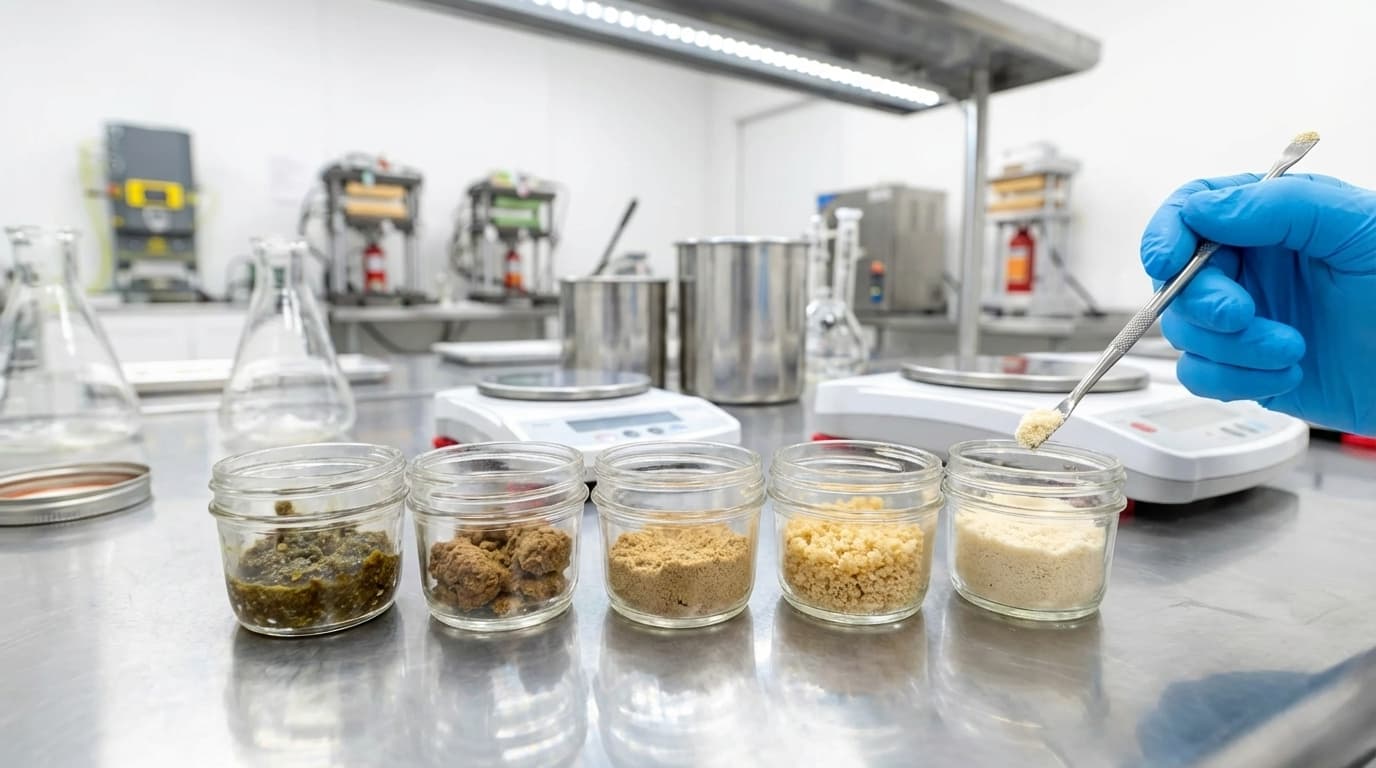
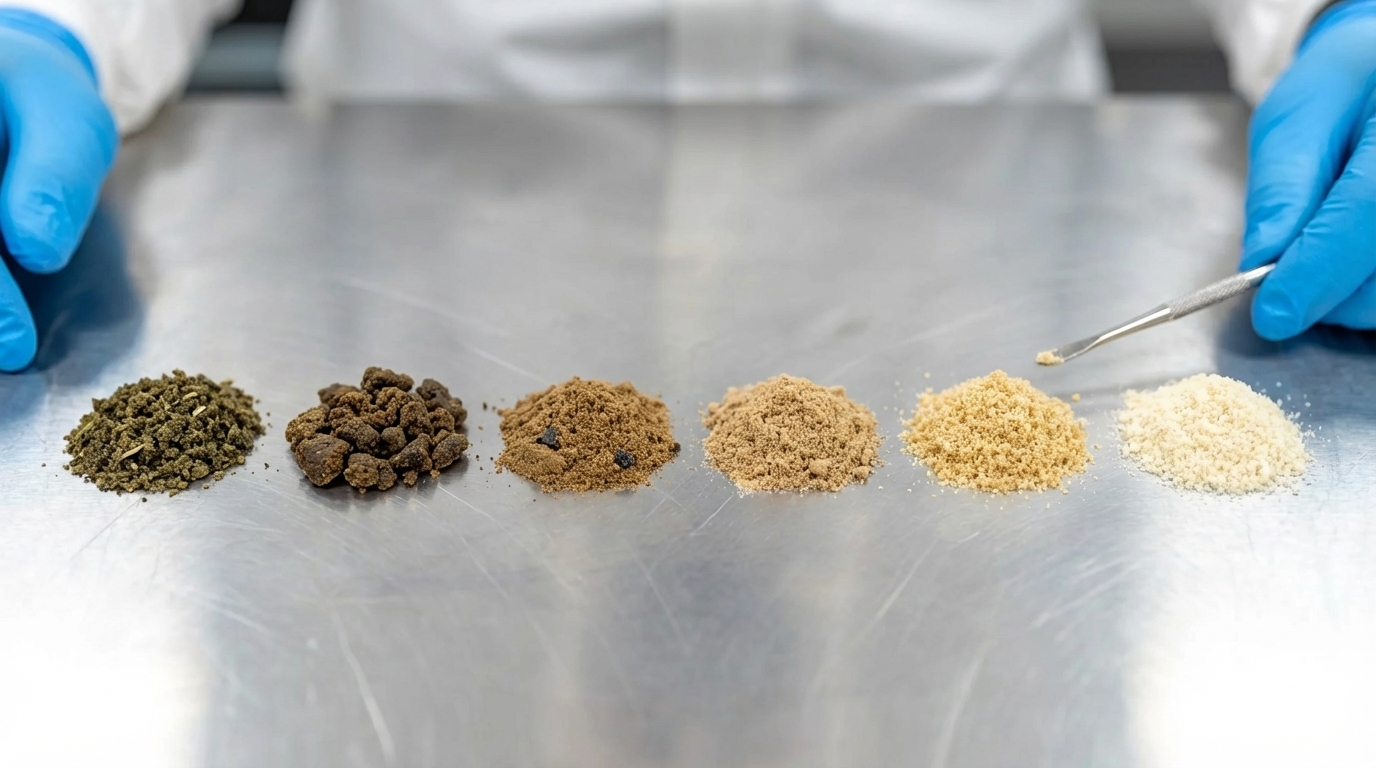
The scale starts at 1-star, which is usually "cooking grade." This hash is dark, full of plant matter, and won't melt at all. On the other end is 6-star full melt. This is the pinnacle of extraction. It melts completely into a clear oil, leaving zero residue on your nail. In between, you have 3 and 4-star "half-melts," which bubble and melt partially but still leave some char behind.
Makers assign these grades by testing small samples on a heated surface. They watch how the bubbles form and check for any leftover carbon. The cleaner the melt, the higher the star count.
Potency vs. Purity
A common mistake is assuming that a higher grade always means more THC. That isn't true. Hash grades measure refinement, not just cannabinoid percentage. You could have a 4-star hash that's more potent than a 6-star if the starting material was exceptionally strong. The 6-star rating just means it's been cleaned more thoroughly of plant contaminants.
Grades also aren't the same as strain reviews. You might love the flavor of a 3-star temple ball more than a 6-star live hash. The grade tells you about the technical quality of the extraction, not whether you'll personally enjoy the effects or the terpene profile.
Watch out for "marketing grades" as well. Some brands use terms like "top shelf" or "private reserve" without actually following the melt test standards. Always look for the star rating or a specific "full melt" label if you plan on dabbing it.
Which Grade Should You Buy?
Your choice depends on how you plan to use it. If you want to dab, stick to 5 or 6-star full melt. Dabbing lower grades will ruin your equipment with burnt plant matter. For dabbing, 450-500°F is the sweet spot for flavor and cleanliness.
If you're just looking to "bowl top" or roll a hash hole, a 3 or 4-star hash is a better value. These "half-melts" still have plenty of flavor and potency, but they're significantly cheaper because they're easier to produce. 1 and 2-star hash should be reserved for edibles or traditional pipe smoking where you don't mind a bit of ash.
What to Look For When Buying
Color and Texture
Clean hash is usually lighter in color—think blonde, sand, or light cream. Dark green or deep brown usually indicates the presence of leaves and stems. The texture should be consistent. If you see dark specks or inconsistent "chunks," it's a sign of poor filtration.
The Melt Test
This is the ultimate proof of quality. When you heat it, 6-star hash should liquify almost instantly. If it sizzles, turns black, or stays solid, it isn't full melt. If you're buying from a reputable shop, the budtenders should be able to tell you how a specific batch performed during its melt test.
Consistency
Premium hash stays consistent from the outside in. If you break open a gram and the center is a different color or feels significantly different than the exterior, it might have been processed unevenly. High-quality makers often use freeze dryers to ensure the structure is uniform across the entire batch.
Further Reading
- Hashish — Wikipedia
- Bubbleman's World — YouTube
- What Is Full Melt Bubble Hash? — PurePressure
Hash Grading FAQ
What is 6-star hash?
It's the highest grade of hash. It consists of pure resin heads and melts completely into a clear oil when heated. It's the only grade of bubble hash that's truly "dabbable" without leaving a mess on your banger.
Is 3-star hash worth buying?
Yes, especially if you're mixing it with flower. It's much cheaper than 6-star and still packs a punch. It just isn't refined enough for low-temp dabbing.
Does everyone use the same star system?
Most craft producers follow the 1-to-6 star scale, but some use letters (like A or AAA). Always ask the budtender what the specific brand means by their rating if it isn't clear.
How do I know if the grade is real?
Look for brands that are transparent about their process. Many high-end producers will even post videos of their melt tests online. If it's priced like a 6-star but looks green and smells like hay, it probably isn't legitimate.
Does more stars mean more THC?
Not necessarily. Stars measure how clean the hash is (purity), not just how much THC is in it (potency). A clean-melting 6-star is more about the experience and flavor than just hitting a high THC number.
Why is 6-star so expensive?
It's hard to make. You need the best starting material, and you only get a tiny amount of 6-star from each wash. The labor and the low yield drive the price up.
How should I store high-grade hash?
Keep it in a glass jar in the fridge. Heat will cause the resin heads to "grease up" and eventually degrade, which can lower the melt quality over time.
What is the difference between fresh frozen and cured hash grades?
Fresh frozen hash is usually lighter and has more "live" flavor. Cured hash is darker and has a more traditional "earthy" aroma. Both can be 6-star quality; the grade only cares about how clean it melts.