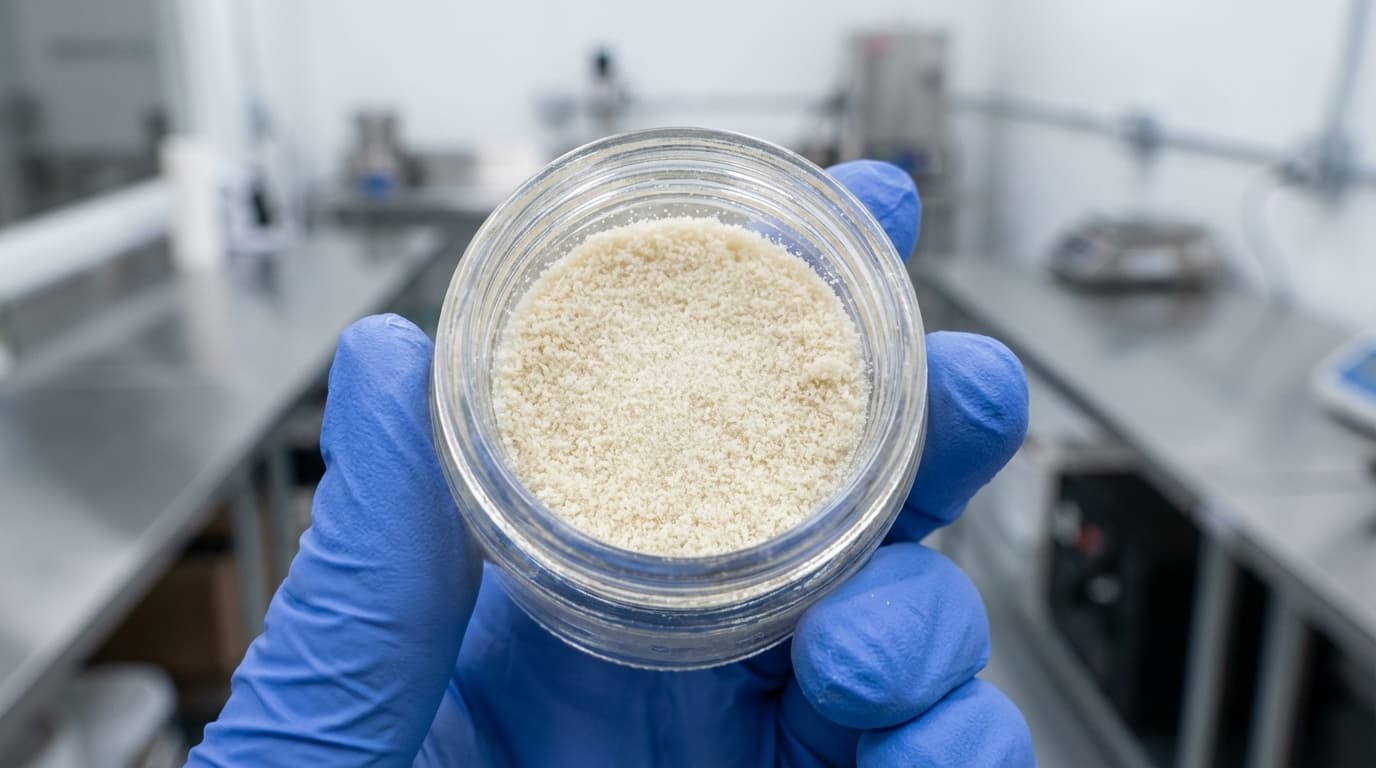
Full Melt at a Glance
Full melt is the highest grade of bubble hash or ice water hash that melts completely when heated, leaving minimal residue behind. The term "full melt" refers to hash that rates 5-star or 6-star on the traditional star rating system, indicating it contains virtually no plant material and consists almost entirely of isolated trichome heads. This grade of hash melts cleanly without sparking, crackling, or leaving ash, making it the most refined form of solventless cannabis concentrate.
What Makes Hash Full Melt
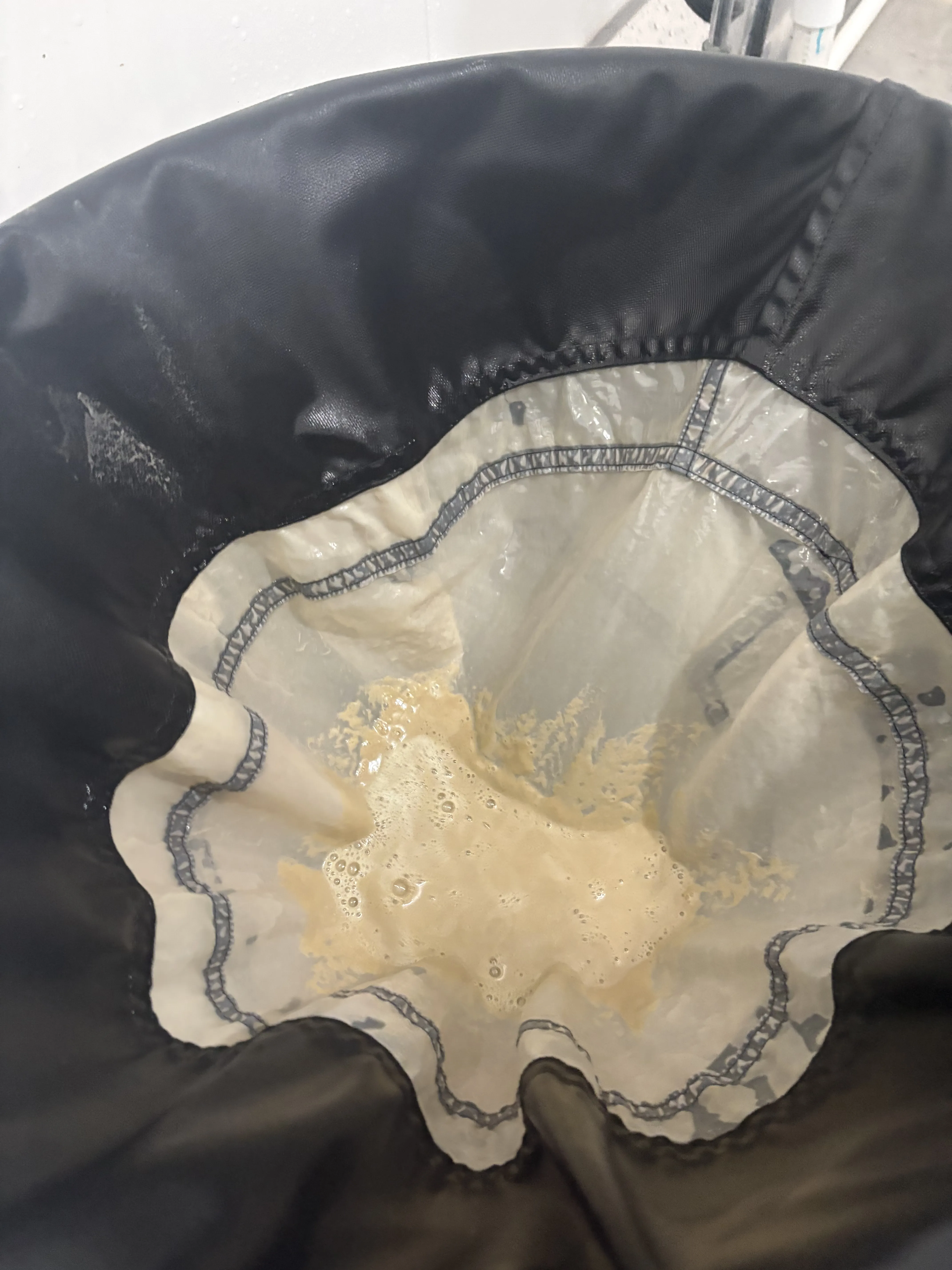
Full melt represents the pinnacle of ice water extraction quality. When cannabis flower is agitated in ice water, trichome heads separate from the plant and are collected through a series of increasingly fine mesh bags called bubble bags. The finest particles that pass through multiple stages of filtration become full melt hash.
The "melt" designation comes from how the material behaves when heated. True full melt will bubble and liquefy completely, similar to how rosin behaves, without leaving behind plant matter that would burn and create harsh smoke. This clean-melting property indicates that the hash consists almost entirely of cannabinoid and terpene-rich trichome heads rather than contaminating plant material like leaf particles, stalks, or waxy cuticles.
Full melt is considered a premium solventless concentrate because it requires expert technique, high-quality starting material, and precise processing to achieve this level of purity through mechanical separation alone. The process demands careful temperature control—material that gets too warm during processing can degrade quality, while maintaining cool conditions helps preserve the delicate trichome heads that create the full melt characteristics.
Full Melt vs. Other Hash Grades
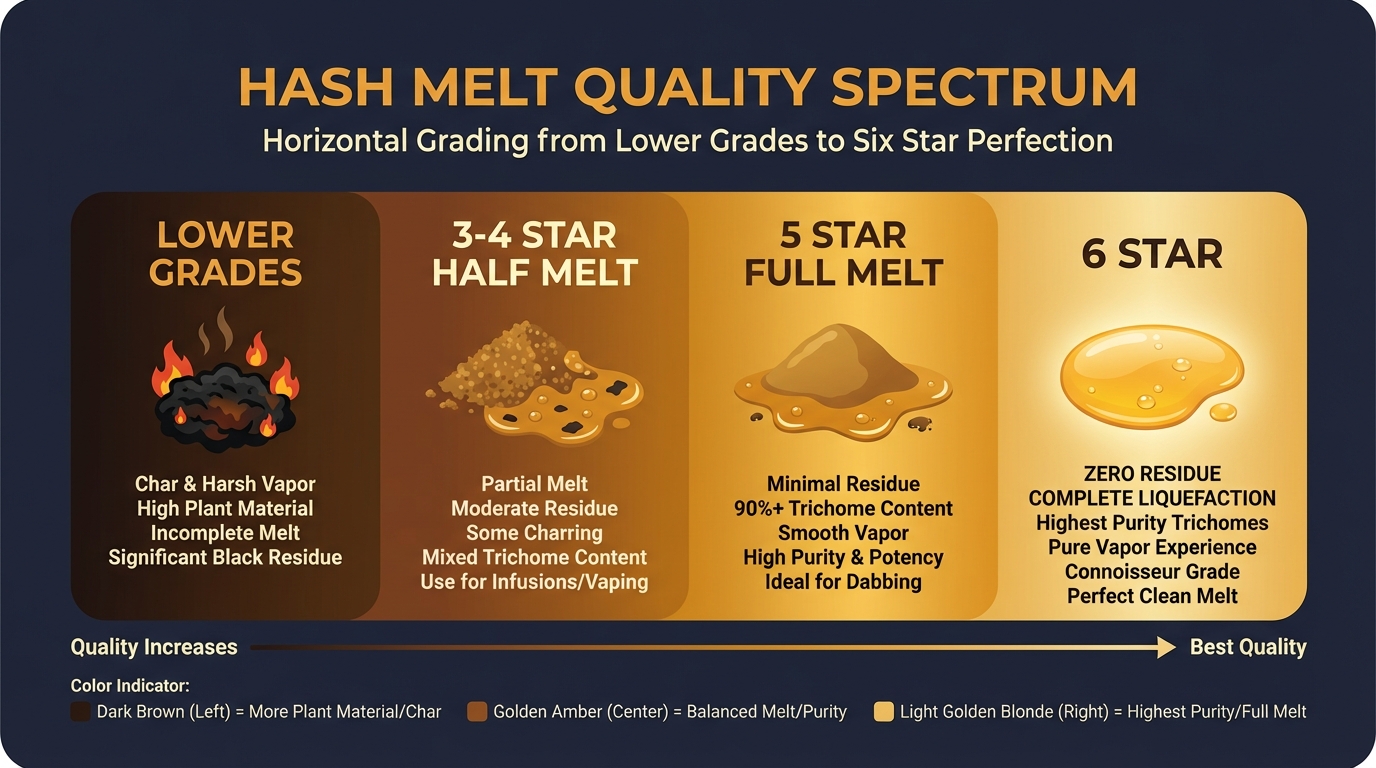
Full melt is frequently confused with half melt or lower-grade bubble hash. Half melt (typically 3-star to 4-star) will partially melt when heated but leaves some residue behind, requiring more aggressive heating and producing harsher vapor. Many dispensaries incorrectly label half melt products as "full melt" because the distinction requires testing the actual melting behavior.
Full melt is also confused with live rosin, though they are different products. Live rosin is made by pressing fresh frozen bubble hash or fresh frozen flower under heat and pressure to extract oils. Full melt is the unpressed hash itself. However, full melt hash is often used as the starting material for premium live rosin production. For a direct comparison of the two, see full melt vs. rosin.
some consumers confuse full melt with dry sift hash. While high-grade dry sift can also achieve full melt quality, the term "full melt" most commonly refers to ice water hash specifically. Dry sift that melts completely is usually called "full melt dry sift" to distinguish the extraction method.
Why Full Melt Matters
The full melt designation matters because it indicates both quality and appropriate consumption methods. Full melt hash commands premium pricing because it represents the most refined mechanical extraction possible without solvents, requiring significant skill and often yielding small quantities from large amounts of starting material.
For consumers, knowing whether hash is truly full melt determines how it should be used. Full melt dabs best at 450–500°F, which is low enough to preserve terpenes and produce smooth, flavorful vapor. Rosin generally performs well at 500–575°F. Going hotter than that is possible but you sacrifice flavor for cloud size. Lower-grade hash requires even higher heat and tends to produce harsh vapor regardless.
The full melt standard also is a quality benchmark for hash makers and helps consumers understand what they are purchasing, especially in markets where concentrate labeling varies widely between producers and retailers. For a full breakdown of the hash grading system and what each star rating means, see the dedicated guide.
Key Signals and Identification
Visual Characteristics
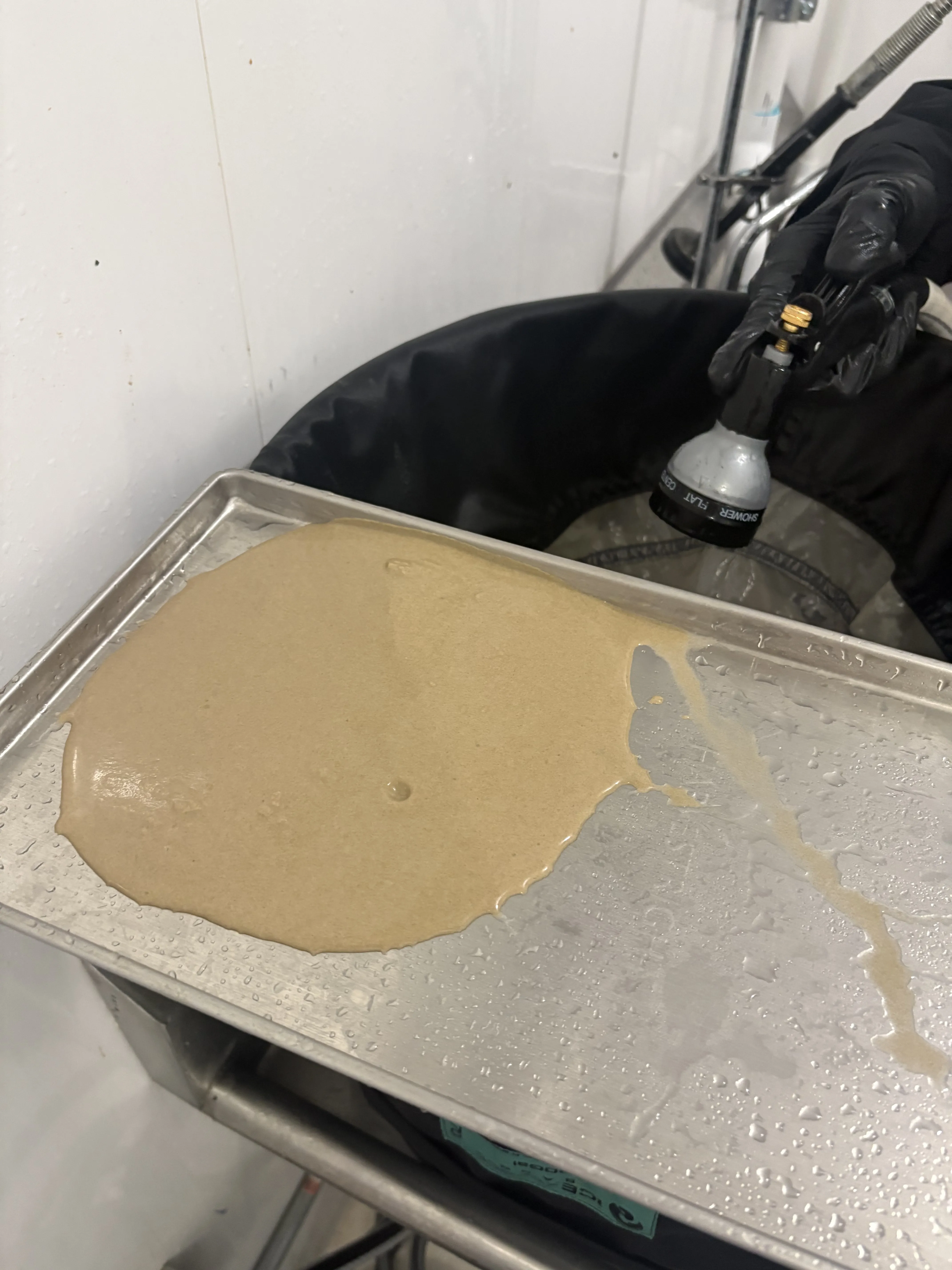
- Light blonde to golden color, though some varieties may be darker
- Fine, sandy texture that may appear almost powdery
- Minimal visible plant material or green coloration
- Often has a slight oily or greasy appearance
- High-quality specimens may have an almost translucent quality when viewed closely
Melt Test Behavior
- Bubbles and melts completely when heated on a clean surface
- Leaves little to no residue or ash
- Does not spark, crackle, or produce black smoke
- Melts at relatively low temperatures compared to plant material
Quality Indicators
- Strong, clear terpene aroma without hay-like or grassy smells
- Consistency that may be slightly sticky or oily to the touch
- Sourced from quality starting material, often fresh frozen flower
Simple Testing Methods
A basic melt test can help identify true full melt: place a small amount on a clean surface and apply gentle heat. Authentic full melt will bubble and disappear completely, while lower grades will leave visible residue.
Further Reading
- Hashish, Wikipedia
- Bubbleman's World, YouTube
- What Is Full Melt Bubble Hash?, PurePressure
Full Melt FAQ
How is full melt different from 6-star hash?
Full melt and 6-star hash refer to the same quality level. The 6-star rating is the highest grade on the traditional bubble hash star system, and 6-star hash is definitionally full melt. Some hash makers use a 5-star system where 5-star represents full melt quality.
Can you make full melt from any cannabis strain?
Not all strains produce full melt hash easily. Strains with abundant, large trichome heads and minimal leaf material tend to produce better full melt yields. the quality of cultivation, harvest timing, and handling affects whether starting material can produce full melt hash.
Why is full melt more expensive than other hash?
Full melt commands premium prices because it represents a small percentage of the total yield from ice water extraction. Most of the material collected during bubble hash production falls into lower star ratings, with only the finest particles achieving full melt quality.
How should full melt be stored?
Full melt should be stored in a cool, dark place in airtight containers to preserve terpenes and prevent degradation. Glass jars in refrigerated conditions work well. Proper storage prevents the hash from drying out or developing off-flavors over time.
Is full melt the same as solventless concentrate?
Full melt is one type of solventless concentrate, but not all solventless concentrates are full melt. Solventless concentrates include rosin, lower-grade bubble hash, and dry sift. Full melt specifically refers to the highest grade of ice water hash that meets the complete-melting standard.
Can full melt hash be pressed into rosin?
Yes, full melt hash is often used as premium starting material for rosin pressing. Because it contains minimal plant material, full melt typically produces high-quality rosin with good yields and clean flavor profiles.
Conclusion
Full melt represents the highest achievable grade of ice water hash, distinguished by its ability to melt completely without leaving residue. Understanding the full melt designation helps consumers identify premium solventless concentrates and choose appropriate consumption methods. The term is both a quality benchmark and a guide for expected melting behavior, making it an important distinction in the solventless concentrate category.