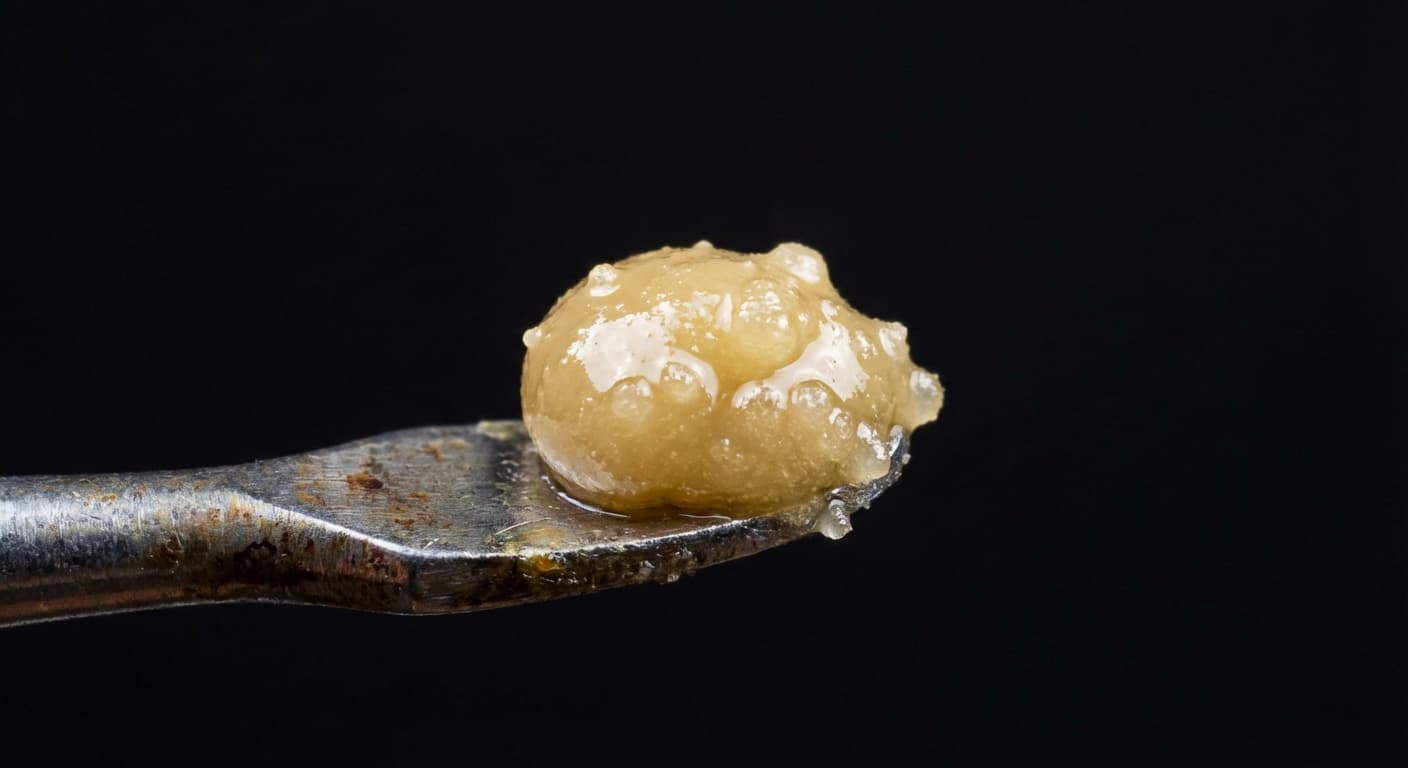
Six Star Hash at a Glance
Six star hash is the highest grade in a six-point rating system that evaluates hashish quality based on melt characteristics, purity, and residue levels. True six star hash melts completely without leaving charred plant material, producing only clear oil when heated. This rating system originated in traditional hash-making communities and remains the gold standard for assessing concentrate quality.
What Six Star Actually Means
The six star rating system assigns grades from one star (lowest quality) to six star (highest quality) based on how hash behaves when heated on a screen or metal surface. Six star hash demonstrates complete melt with zero residue, indicating exceptional purity and proper extraction techniques.
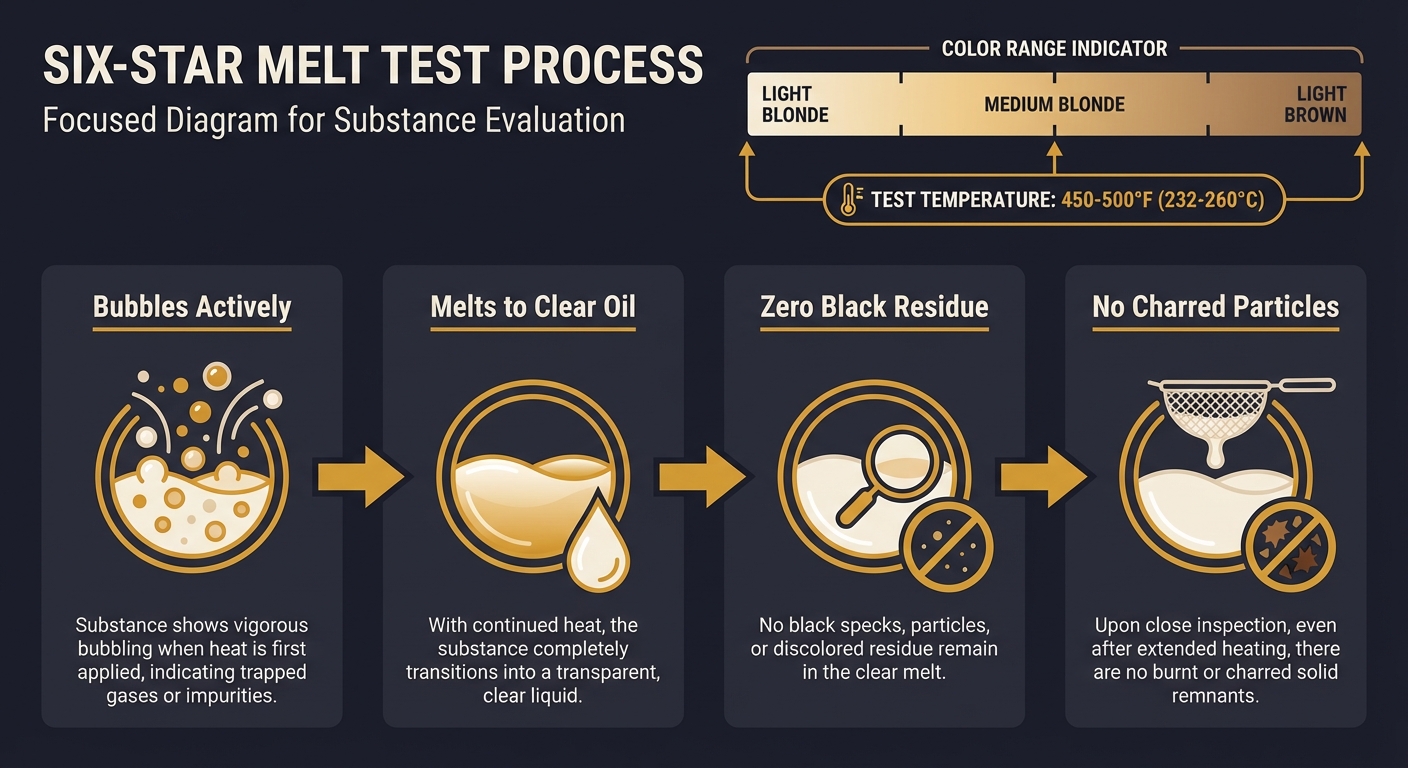
This grading system evaluates three primary factors: bubble formation during melting, residue left after heating, and the color and clarity of the melted concentrate. Six star hash produces clean, light-colored oil that bubbles actively and leaves no carbonized plant matter behind.
The rating originated in traditional hashish regions where craftsmen needed reliable quality indicators. Modern concentrate producers adopted this system because it provides objective, testable criteria rather than subjective appearance judgments. Six star designation requires hash to pass visual inspection and perform consistently across multiple melt tests.
Six Star vs. Other Hash Grades
Six star hash is frequently confused with "full melt" hash, though these terms describe the same quality level using different language. Full melt specifically refers to the complete melting characteristic, while six star indicates the rating within the broader grading system.
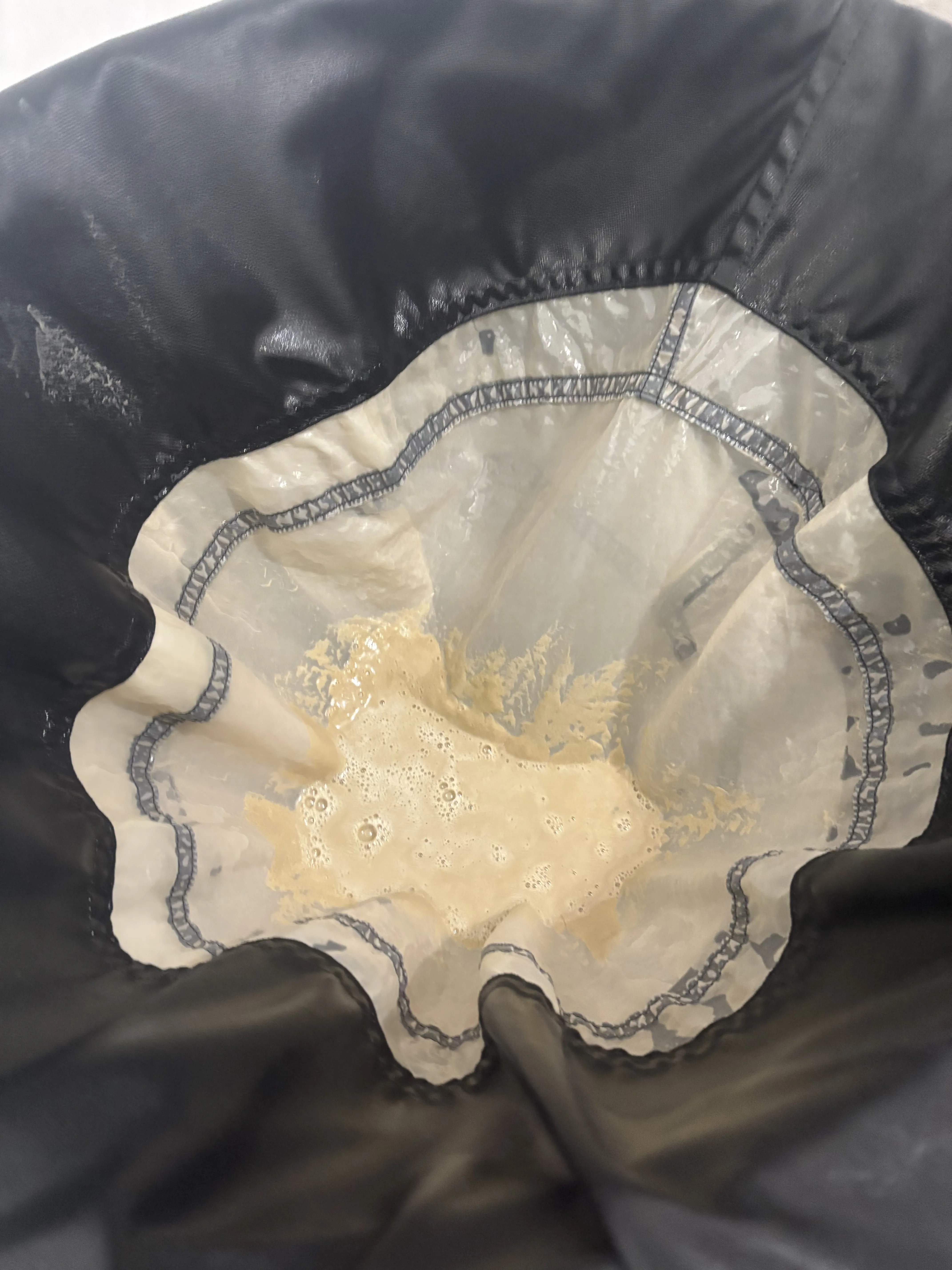
Many confuse six star hash with "bubble hash" generally, but bubble hash describes the extraction method using ice water and bubble bags. Bubble hash can grade anywhere from one to six stars depending on processing skill and starting material quality. Not all bubble hash achieves six star status. Fresh frozen starting material often produces superior results compared to dried flower, as the freezing process preserves trichome integrity during extraction.
Five star hash creates similar confusion because it also melts well but leaves minimal residue. The distinction matters: five star hash produces slight residue or darker coloration, while six star hash melts completely clean. Dispensary menus often mislabel five star products as six star, inflating quality claims.
Rosin and six star hash are sometimes conflated because both can achieve complete melt characteristics. However, rosin refers to solventless extraction using heat and pressure, while six star describes quality grade regardless of extraction method. Temple ball hash, a traditional form of hand-rolled concentrate, can also achieve six star ratings when made from premium starting material.
Why the Six Star Rating Matters
Six star grading provides objective quality standards in concentrate markets where appearance alone can mislead buyers. Hash that looks impressive might leave significant residue, while modest-looking hash might melt completely clean.
For consumers, six star designation indicates dabbing or vaporizing will produce smooth, clean vapor without harsh residue, best enjoyed at 450–500°F to preserve the full terpene profile. Rosin dabs well at 500–575°F. Going hotter is possible but sacrifices flavor. Lower grades often create harsh smoke and clogged equipment due to plant material content.
Producers use six star standards to evaluate their extraction techniques and starting material quality. Achieving consistent six star results requires precise temperature control, gentle handling, and high-quality source material. The rating system helps identify process improvements needed for premium products.
Collectors and connoisseurs rely on six star grading because it represents the pinnacle of traditional hash-making craftsmanship combined with modern extraction science.
Key Signals and Identification
Visual Characteristics
Six star hash typically appears light in color, ranging from blonde to light brown, though color alone doesn't guarantee quality. The texture should be relatively soft and pliable at room temperature, not hard or brittle like lower grades.
Melt Test Indicators
When heated on a screen or metal surface, six star hash bubbles actively and melts into clear or light amber oil. No black residue, charred particles, or unmelted material should remain. The melted oil should be translucent rather than dark or opaque. Temperature control is critical during testing—surfaces that are too hot can char even six star material, giving false results.
Aroma and Texture Clues
High-grade hash maintains strong, clean aromatic profiles without musty or harsh notes that indicate plant contamination. The texture should feel slightly sticky or oily rather than dry and crumbly, suggesting proper trichome preservation during extraction.
Storage Behavior
Six star hash maintains consistency and potency when stored properly in cool, dark conditions. It shouldn't become excessively hard or develop white spots that indicate degradation or contamination.
Common Production Methods
Ice Water Extraction
The most common method for producing six star hash uses ice water and bubble bags to separate trichomes from plant material. Fresh frozen cannabis typically yields higher quality results than dried material, as freezing preserves trichome structure. The process requires multiple wash cycles and careful temperature management to avoid damaging delicate trichome heads.
Dry Sift Techniques
Traditional dry sift methods use screens and gentle agitation to collect trichomes. Six star dry sift requires extremely fine screens and minimal agitation to avoid contamination with plant particles. The process often involves multiple screening stages, starting with coarser screens and progressing to finer meshes.
Quality Control Factors
Achieving six star quality requires attention to multiple variables: starting material quality, processing temperature, agitation intensity, and drying conditions. Even premium fresh frozen material can produce lower grades if processed incorrectly.
Further Reading
- Hashish, Wikipedia
- Bubbleman's World, YouTube
- What Is Full Melt Bubble Hash?, PurePressure
- What Is Bubble Hash?, Leafly
Six Star Hash FAQ
Can six star hash be made from any cannabis strain?
Six star hash requires starting material with abundant, mature trichomes, but strain selection significantly impacts results. Strains with naturally resinous flowers and proper harvest timing produce higher yields of six star quality material. However, even premium strains require skilled extraction techniques to achieve six star grades.
How do you test if hash is truly six star quality?
The definitive test involves heating a small amount on a fine screen or metal surface and observing the melt behavior. True six star hash will bubble and melt completely into oil without leaving any residue or charred material. Multiple tests should show consistent results across different portions of the same batch.
Is six star hash more potent than lower grades?
Six star hash isn't necessarily more potent in terms of cannabinoid percentages, but it contains fewer inactive plant materials that dilute the concentrate. The higher purity means more consistent effects and cleaner consumption experience rather than dramatically higher THC levels.
Why is six star hash more expensive than other concentrates?
Six star hash requires premium starting material, precise extraction techniques, and typically yields smaller quantities than lower-grade production methods. The labor-intensive processes and high rejection rates for material that doesn't meet six star standards contribute to higher costs.
Can six star hash degrade to lower star ratings over time?
Improper storage can cause six star hash to degrade through oxidation, contamination, or moisture exposure. However, the underlying extraction quality remains, and degradation typically affects appearance and flavor before significantly impacting melt characteristics.
What's the difference between six star bubble hash and six star dry sift?
Both can achieve six star quality despite different extraction methods—bubble hash uses ice water separation while dry sift uses screens and agitation. Six star designation applies to the final product's melt characteristics regardless of extraction technique, though each method produces slightly different flavor and texture profiles.
Understanding Quality Standards
Six star hash represents the intersection of traditional craftsmanship and modern extraction science, providing reliable quality indicators in concentrate markets. The rating system offers objective criteria that transcend subjective preferences and marketing claims. Recognizing true six star quality requires understanding both the testing methods and the production factors that enable consistent results. For consumers seeking premium concentrates, six star grading provides dependable guidance beyond appearance-based judgments.