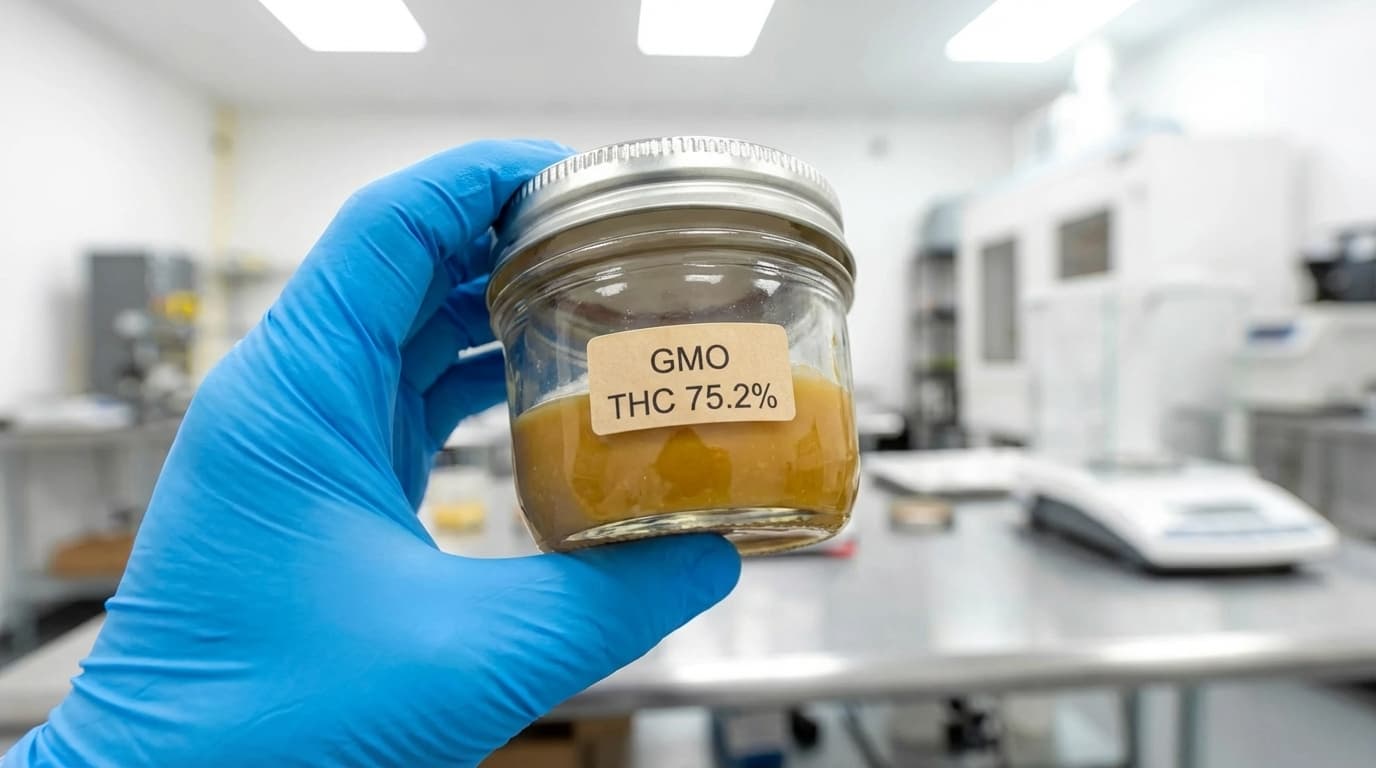
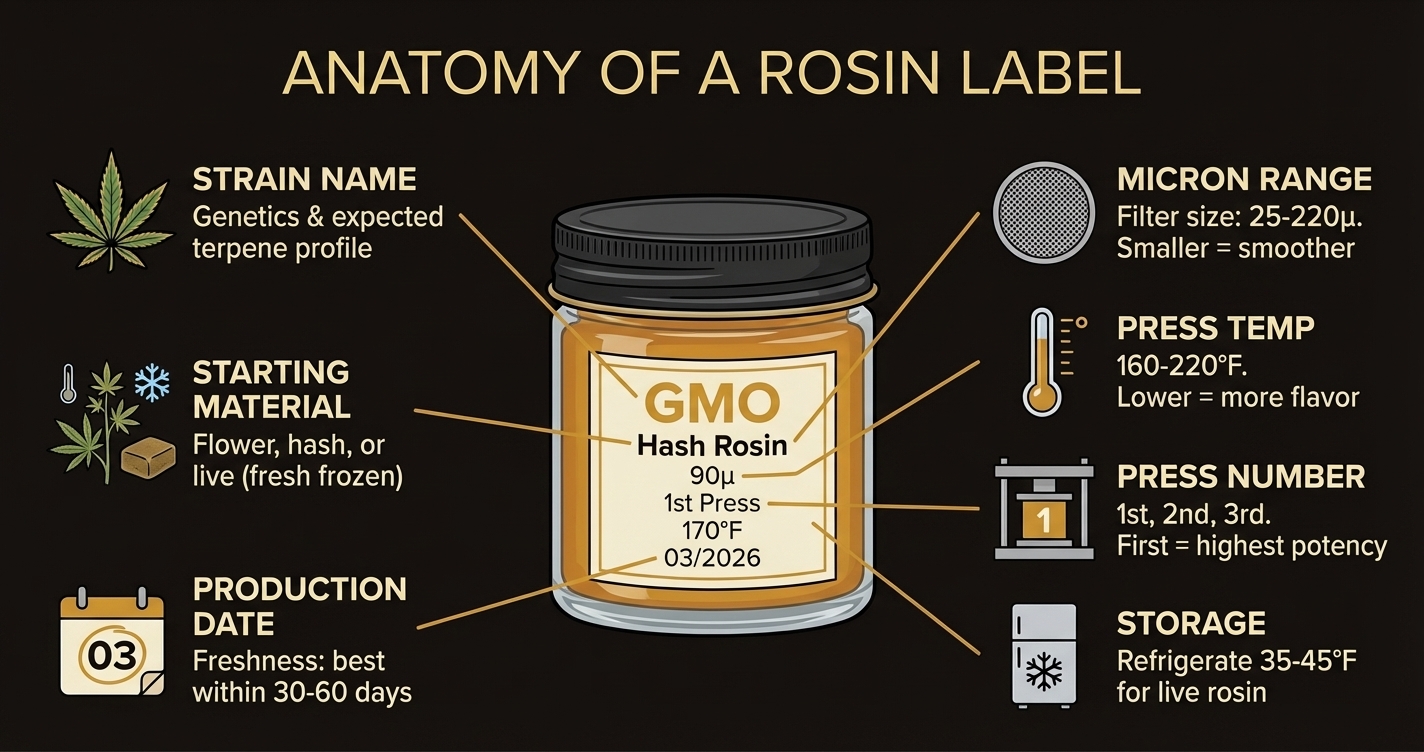
When you're staring at a row of rosin jars in a dispensary fridge, the label is your best friend. It tells you exactly how the product was made, when it was harvested, and what the texture will be like before you even open the lid. While most people just look at the strain name, the technical specs like micron range and production date are what actually determine the quality of your dabs. This guide helps you cut through the marketing fluff and understand what those numbers really mean.
The Technical Specs of Rosin
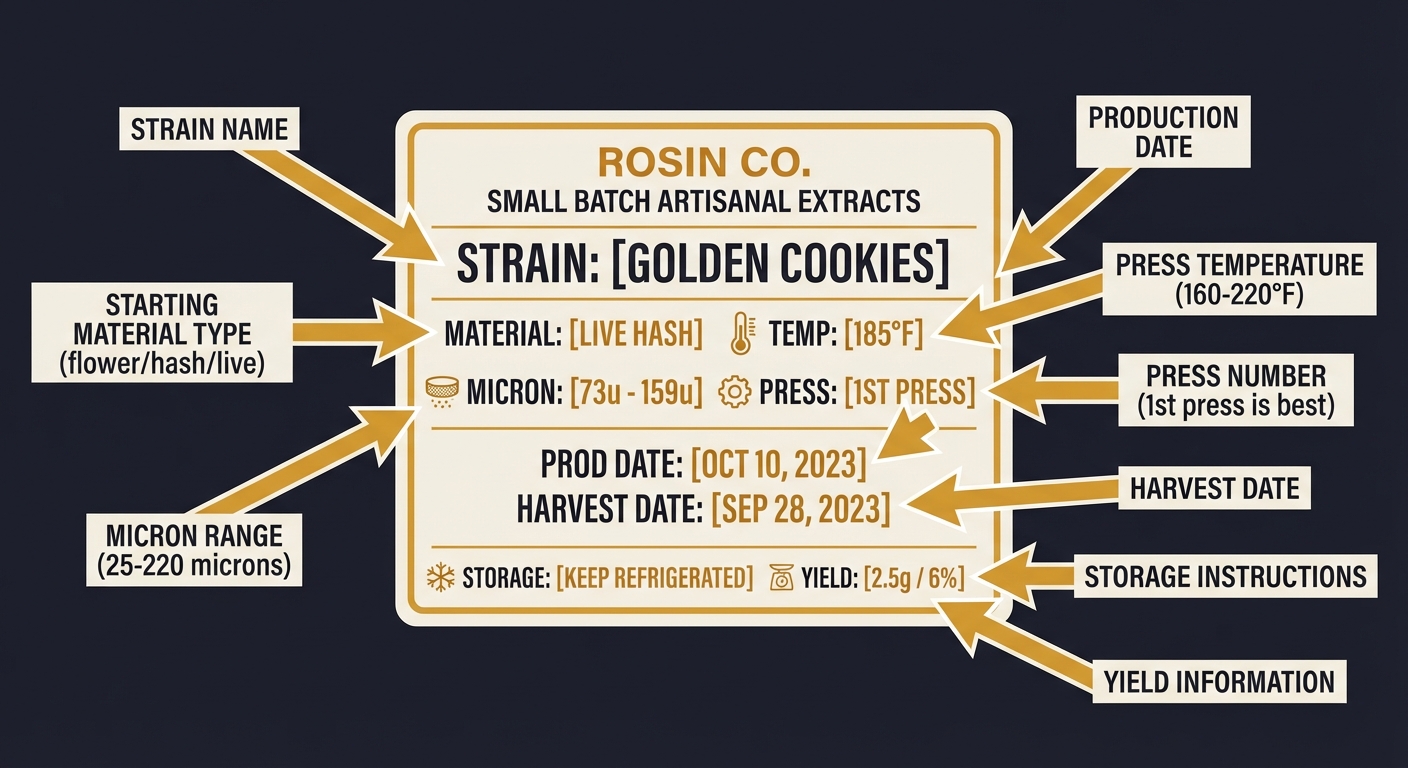
Rosin labels are basically a recipe for the concentrate inside. Because rosin is made without solvents, its quality depends entirely on the material used and the settings on the press. Unlike BHO or other extracts, rosin production is transparent, and most craft brands list their specific "stats" right on the box.
The most important details are the starting material (whether it's flower or hash), the micron bags used to filter it, the temperature of the press, and the age of the product. These four factors control the texture, the flavor, and how long the rosin will stay fresh in your fridge. For example, live rosin made from fresh-frozen material is almost always superior to rosin made from dried flower, but it's also much more sensitive to heat.
Branding vs. Reality
Don't be fooled by marketing buzzwords. Terms like "premium," "artisan," or "craft" don't have a legal definition in the cannabis world. A brand can call a 2-star flower rosin "premium" if they want to. Instead of trusting the adjectives, look for the data. A label that lists a specific 90u micron range and a press temperature of 170°F is telling you a lot more about quality than a shiny "top shelf" sticker.
It's also important to distinguish between "rosin" and "live resin." They sound similar, but live resin is a solvent-based extract made with butane. Rosin is always solventless. If the label doesn't explicitly say "solventless" or "rosin," check the testing results for residual solvents like butane or propane.
Why Freshness and Temperature Matter
Freshness is the biggest factor in how your rosin tastes. Terpenes are volatile and start to evaporate the moment the jar is sealed. Ideally, you want to buy rosin that was pressed within the last 30 to 60 days. If a jar has been sitting on a shelf for six months, it's likely dry, crumbly, and has lost its "nose."
The pressing temperature also leaves clues about the flavor. Rosin pressed at lower temperatures (around 160-180°F) usually has a more complex terpene profile but a lower yield. High-temperature presses (above 200°F) produce more oil but can sometimes "cook" the delicate flavors, leading to a darker color and a harsher smoke. Most high-end brands stick to the lower range to preserve that signature craft flavor.
What to Look For on a High-Quality Label
Starting Material
Look for "live rosin" or "hash rosin." Hash rosin is generally more potent and cleaner-melting than flower rosin. "Live" means it came from plants that were frozen immediately after harvest, which preserves the most flavor. If it just says "rosin," it's likely made from dried flower.
Micron Size (u)
Microns refer to the size of the holes in the filter bags. You'll often see ranges like 90u-120u. Smaller numbers (like 25u or 45u) produce a very refined, creamy texture with almost zero plant matter. Mid-range sizes (73u-120u) are the "sweet spot" for most hash rosin, offering a perfect balance of yield and quality. Anything above 160u is usually lower-grade "food grade" rosin.
Press Number
"First press" is what you want. It's the highest quality oil from the first time the material was squeezed. Second or third presses use the leftovers and are usually darker, less flavorful, and sold at a lower price point.
Storage Directions
A good brand will tell you how to store their product. If a label says "Keep Refrigerated," take it seriously. Live rosin will turn into a dry, flavorless "crumble" in just a few days if left at room temperature. For more on this, check out our rosin storage guide.
Further Reading
- Cannabis Concentrate — Wikipedia
- What Is Solventless Cannabis? — Leafly
- Understanding Rosin Labels — The Press Club
Rosin Label FAQ
What does "u" mean on a rosin label?
It stands for microns (micrometers). It tells you how fine the filter bags were during the pressing process. The smaller the number, the more plant matter was filtered out.
How old is too old for rosin?
Most enthusiasts look for a production date within the last 2 to 3 months. After that, the rosin can still be good, but you'll start to lose the intense terpene aroma that makes rosin so special.
Is hash rosin better than flower rosin?
In terms of purity and melt, yes. Hash rosin uses bubble hash as the starting material, so it's been filtered twice. Flower rosin is pressed directly from the bud and usually contains more fats and waxes.
Why do some labels list the press temperature?
It's a sign of a "nerdy" craft brand. It shows they're using low-heat methods to preserve terpenes. Anything under 180°F is generally considered high-quality.
Does "first press" matter?
Yes. The first press has the most terpenes and cannabinoids. Subsequent presses are still decent, but they're never as flavorful or as clear as the first run.
Should I avoid high micron numbers?
Not necessarily, but be aware that anything over 160u might have a bit more plant residue. It's fine for mixing with flower, but maybe not the best for a high-end dab rig.
Why is some rosin so much more expensive?
It usually comes down to the starting material and the yield. Live hash rosin is incredibly labor-intensive and has a very low yield compared to other extracts, which is why it commands a premium price.
Where should I store my rosin?
Always in the fridge. Cold storage is the only way to stop your rosin from drying out and losing its flavor. Just remember to let the jar warm up for 15 minutes before you open it.
Reading a rosin label is about looking for facts over fluff. Focus on the production date, the micron range, and the starting material. These numbers will tell you more about the dabbing experience than any marketing slogan ever will. If you want to learn more about the different types of rosin you'll see on the menu, take a look at our solventless overview or our guide to live rosin.