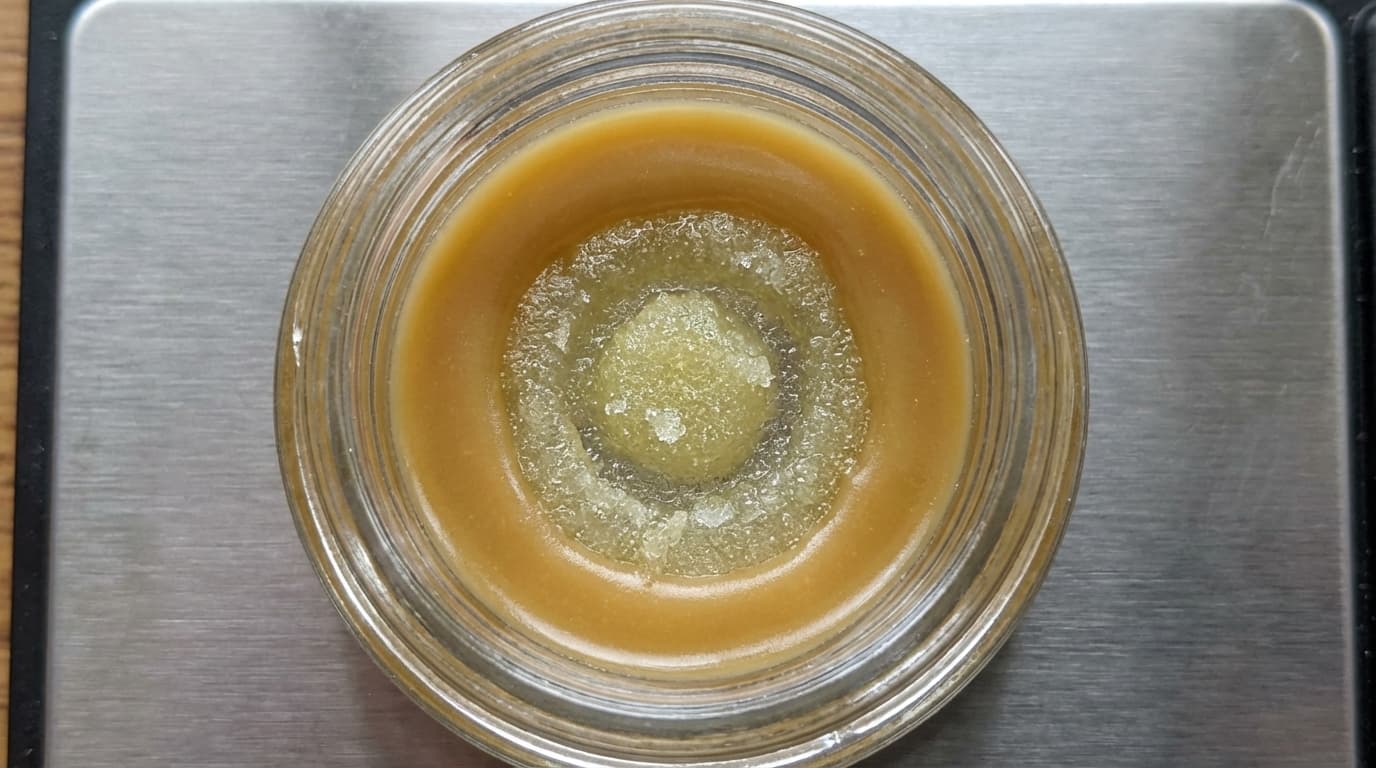
Thumbprint rosin is a cannabis concentrate made by pressing resin with direct finger pressure, typically producing small amounts of material with a characteristic indented or flattened shape from the thumb impression. This basic extraction method uses only heat and pressure from human touch to separate resin from plant material. By the end of this page, you'll understand how thumbprint rosin differs from other rosin types, why it's often confused with other hand-pressed concentrates, and what quality indicators to look for.
How Thumbprint Rosin Is Made
The term "thumbprint rosin" describes both a production method and the physical appearance of the resulting concentrate. When cannabis flower or hash is pressed between fingers using thumb pressure, the heat from human skin (approximately 98.6°F) combined with mechanical pressure causes resin glands to rupture and release their contents.
This technique produces very small quantities—typically 0.1 to 0.5 grams from several grams of starting material. The finished product often retains the curved impression of the thumb used to press it, giving rise to the name. Thumbprint rosin appears as a flattened, amber to golden disc with visible texture marks from the pressing process.
This method represents one of the most basic forms of solventless extraction, requiring no specialized equipment or controlled environments. The technique is primarily used for testing small samples of flower or hash for resin content and quality before committing to larger-scale extraction methods.
Thumbprint vs. Other Rosin Consistencies
Thumbprint rosin is frequently confused with "finger hash," which refers to the sticky resin that accumulates on fingers when handling live cannabis plants during trimming or harvesting. Finger hash contains more plant matter and chlorophyll, while thumbprint rosin is pressed specifically to separate pure resin from plant material.
Another common confusion occurs with "temple balls," which are hand-rolled concentrates made from traditional hash-making methods. Temple balls undergo extended rolling and pressing by hand to create smooth, spherical shapes, while thumbprint rosin maintains its flattened, disc-like form with minimal handling.
Commercial "hand-pressed rosin" is also distinct from thumbprint rosin. Hand-pressed rosin typically uses heated plates or tools to apply consistent pressure, producing larger quantities with more uniform appearance. Thumbprint rosin relies solely on finger pressure and body heat, resulting in smaller yields and less consistent texture.
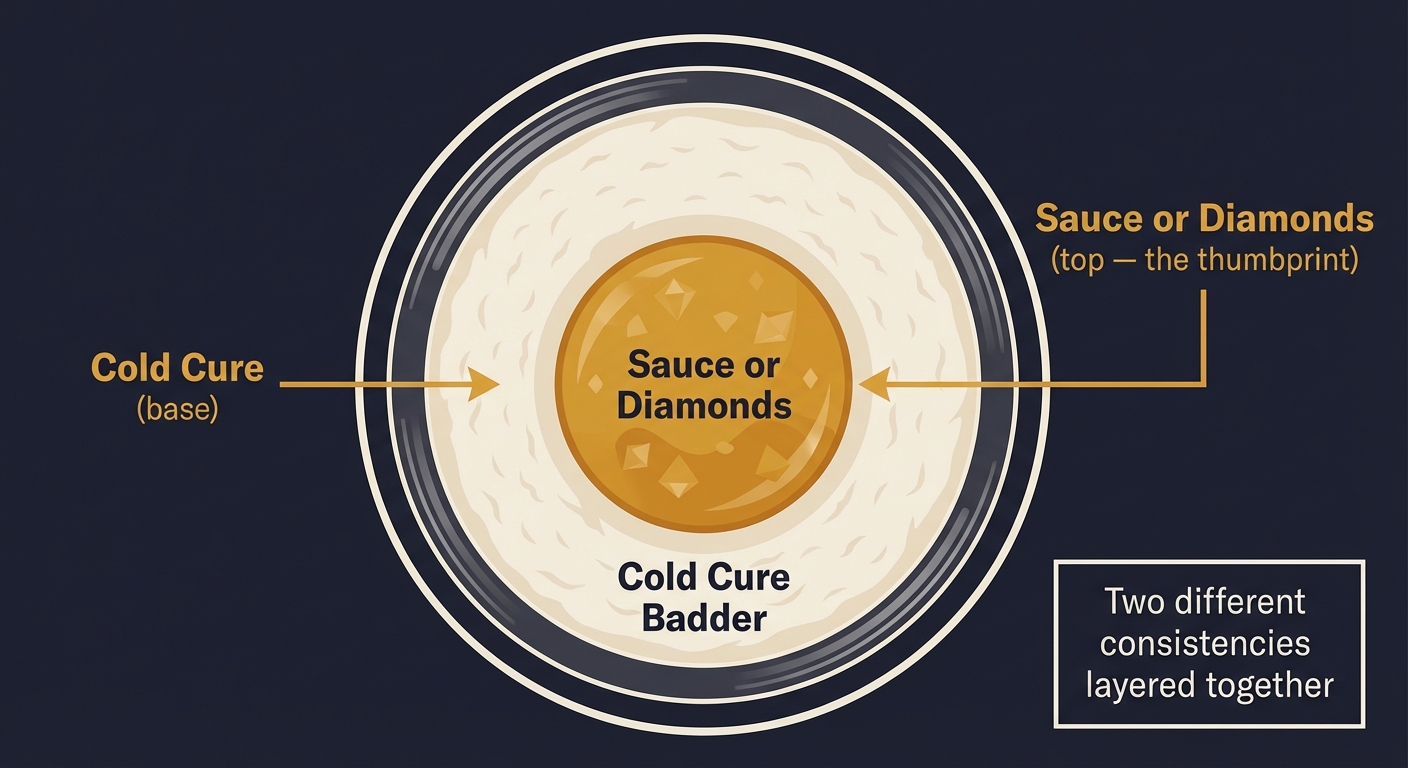
Why Thumbprint Texture Matters
Understanding thumbprint rosin helps distinguish between different solventless extraction methods and their appropriate applications. This technique is an important quality assessment tool, allowing cultivators and processors to evaluate resin content before investing time and materials in larger extractions.
The distinction matters for buyers who may encounter products labeled as "hand-pressed" without clear indication of the actual method used. Thumbprint rosin typically commands different pricing than commercial rosin due to its limited yield and artisanal production method.
For retailers and budtenders, accurate terminology prevents confusion when describing extraction methods to customers. Proper identification helps set appropriate expectations for quantity, appearance, and potency compared to other concentrate categories.
How to Evaluate Thumbprint Rosin
Visual Identification: Look for small, flattened discs with visible fingerprint impressions or texture marks. The material should appear translucent to amber-colored with minimal plant matter contamination.
Texture Indicators: Quality thumbprint rosin feels tacky but not wet, and maintains some pliability at room temperature. Overly brittle or crumbly texture may indicate excessive heat during pressing or poor starting material.
Size Expectations: Authentic thumbprint rosin typically measures 0.5 to 1.5 inches in diameter with thickness ranging from 1-3 millimeters, depending on the amount of starting material used.
Production Signs: The pressing surface should show consistent contact patterns without burned edges or dark spots, which indicate excessive heat or contaminated starting material.
Further Reading
- Rosin (extraction), Wikipedia
- What Is Full Melt Bubble Hash?, PurePressure
- The Anatomy of a Cannabis Trichome, The Press Club
FAQ
Can thumbprint rosin be made from any cannabis material?
Thumbprint rosin works best with resinous flower or bubble hash as starting material. Low-quality trim or stems lack sufficient resin content to produce meaningful quantities, while very dry or old material may not release resin effectively under finger pressure alone.
How does thumbprint rosin potency compare to other concentrates?
Potency depends entirely on the starting material's resin content and quality. Thumbprint rosin typically ranges from 40-70% cannabinoids, lower than commercial rosin (60-80%) due to less efficient resin separation and potential contamination from pressing process.
What storage methods work best for thumbprint rosin?
Store thumbprint rosin in airtight glass containers at temperatures between 35-45°F to maintain consistency and prevent degradation. Paper wrapping works for short-term storage but may absorb some resin over time.
Why is thumbprint rosin more expensive per gram than commercial rosin?
The labor-intensive production method and extremely low yields drive higher pricing. thumbprint rosin is often made from premium starting materials and marketed as an artisanal product with limited availability.
Can thumbprint rosin be pressed again to improve quality?
Re-pressing with controlled heat and pressure can improve consistency and appearance, but yields diminish with each subsequent press. Most processors recommend single-press methods to preserve terpene profiles and avoid degradation from repeated heat exposure.
How long does thumbprint rosin typically last in storage?
Properly stored thumbprint rosin maintains quality for 6-12 months, though potency and flavor begin declining after 3-4 months. Exposure to light, heat, or air accelerates degradation and can cause the material to become darker and less pliable.
How can you tell if thumbprint rosin was made properly?
Well-made thumbprint rosin maintains consistent color throughout, typically ranging from light amber to golden honey. Dark spots or black areas indicate contamination or excessive heat. It should show clear thumb impressions without cracked or burnt edges.
Conclusion
Thumbprint rosin represents a traditional, equipment-free method for producing small quantities of solventless concentrate using only finger pressure and body heat. The technique creates distinctive, small-batch products easily identified by their flattened shape and fingerprint impressions. While yields remain limited compared to commercial extraction methods, thumbprint rosin serves important roles in quality assessment and artisanal production.