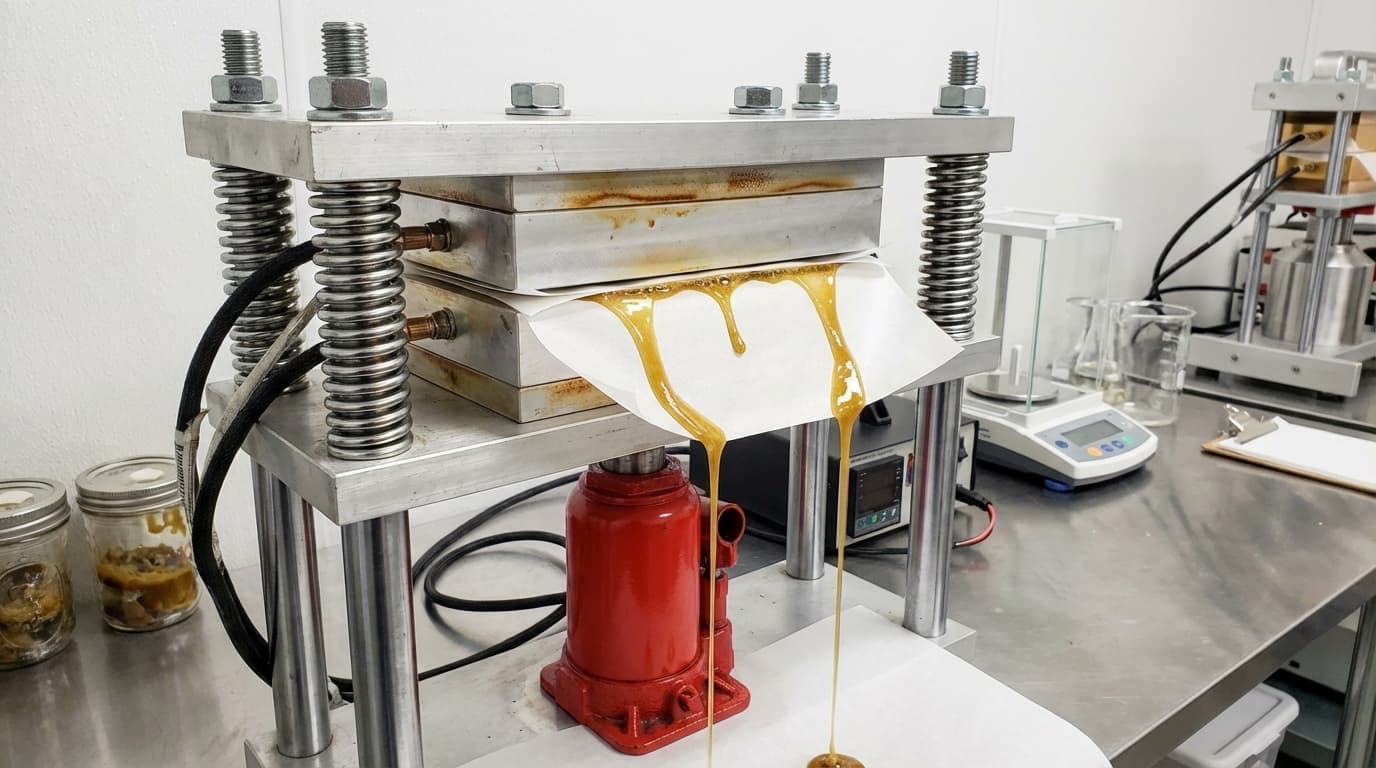
Cannabis dispensary menus are filled with rosin-related terms that can confuse even experienced consumers. This FAQ explains the most common rosin terminology you'll encounter, from basic extraction methods to product consistency descriptions.
General Rosin Questions
What is rosin and how is it different from other cannabis concentrates?
Rosin is a cannabis concentrate made using only heat and pressure, without chemical solvents like butane or CO2. Unlike other concentrates that use solvents to extract cannabinoids and terpenes, rosin production applies controlled heat and pressure to cannabis flower, hash, or kief to squeeze out the resinous compounds. This solventless method preserves the plant's natural terpene profile and produces a concentrate that many consider cleaner and more flavorful than solvent-based alternatives.
Why do rosin products cost more than other concentrates on menus?
Rosin typically costs 20-40% more than solvent-based concentrates because the extraction process yields less product and requires premium starting material. The heat and pressure method extracts roughly 15-25% of the plant's weight in concentrate, compared to 30-40% yields from solvent extraction. quality rosin often starts with high-grade flower or bubble hash, which increases production costs and results in higher retail prices.
What does "first press" vs "second press" rosin mean?
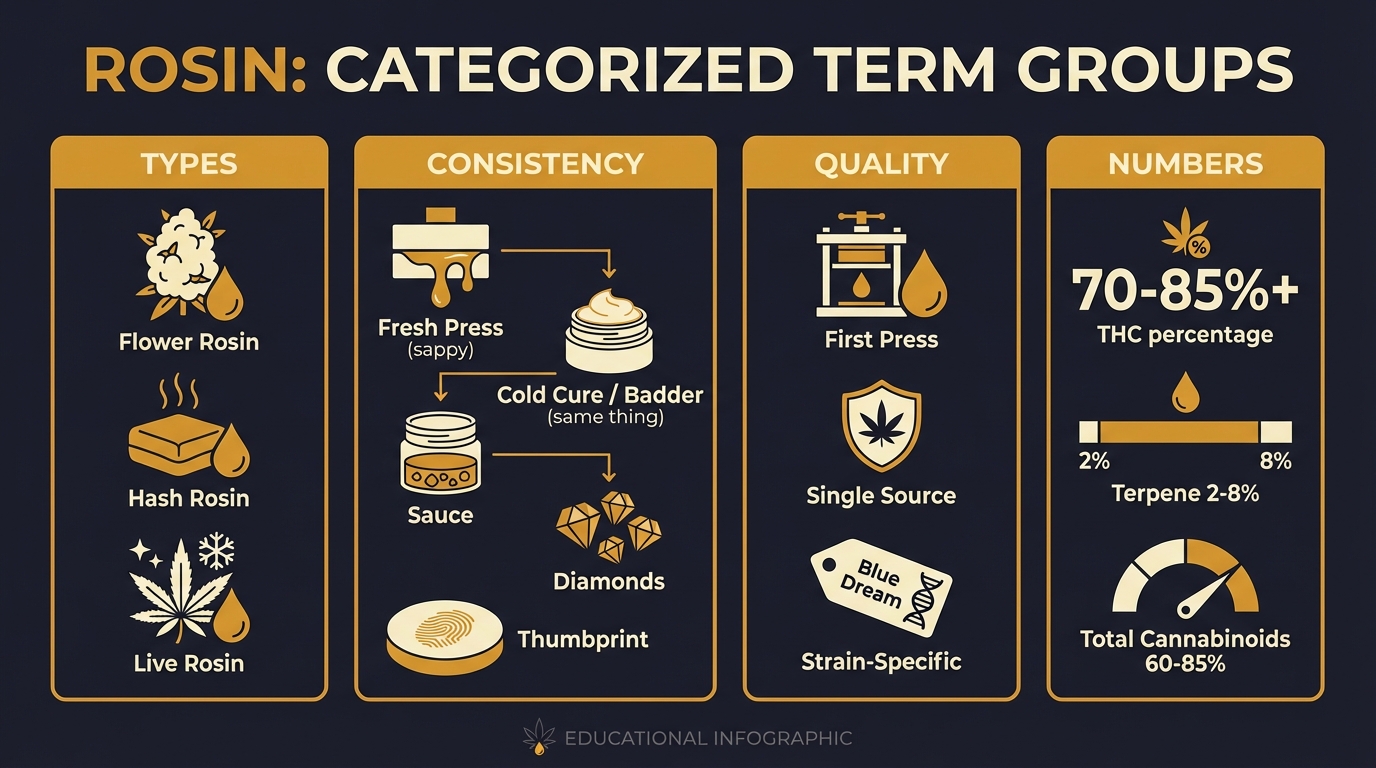
First press rosin comes from the initial application of heat and pressure to starting material, producing the highest quality concentrate with the best flavor and potency. Second press rosin is made by re-pressing the same material after the first extraction, yielding additional concentrate with slightly lower cannabinoid content and altered terpene profiles. First press typically commands higher prices and is considered premium, while second press offers similar effects at a lower cost.
What is the difference between flower rosin and hash rosin?
Flower rosin is pressed directly from dried cannabis buds, while hash rosin is pressed from bubble hash or ice water hash made from the same plant material. Hash rosin generally produces higher quality concentrate because bubble hash removes plant matter and concentrates trichomes before pressing. This results in cleaner flavor, higher potency, and better consistency, which explains why hash rosin typically costs 25-50% more than flower rosin on dispensary menus.
Consistency and Texture Questions
What does "badder" or "batter" rosin mean?
Badder or batter rosin describes a creamy, whipped consistency that resembles cake batter or frosting. This texture develops through controlled temperature exposure and agitation after pressing, which causes the concentrate to nucleate and form a stable, easy-to-handle consistency. Badder rosin maintains potency while offering improved workability compared to more sticky or sappy textures.
Why do some rosins look like "sauce" while others are solid?
Rosin consistency depends on terpene content, storage temperature, and curing methods after extraction. High-terpene rosin often appears sauce-like or wet because terpenes are liquid at room temperature and create a more viscous texture. Lower-terpene rosin or products stored in cooler conditions typically maintain firmer, more solid consistencies that are easier to handle but may sacrifice some flavor intensity. Temperature sensitivity means that products can appear solid in refrigerated storage but become sauce-like when brought to room temperature.
What is "live rosin" and how is it different from regular rosin?
Live rosin is made from fresh frozen cannabis that was frozen immediately after harvest instead of being dried and cured. This process preserves volatile terpenes that would otherwise evaporate during traditional drying, resulting in more flavorful and aromatic concentrates. Live rosin typically appears lighter in color and offers more complex terpene profiles, but requires careful storage and handling due to increased moisture content.
What does "cold cure" vs "warm cure" rosin mean?
Cold cure rosin is stored at refrigerated temperatures (35-45°F) after pressing to preserve terpenes and maintain consistency, while warm cure rosin is exposed to slightly elevated temperatures (65-75°F) to encourage texture changes. Cold curing typically preserves more terpenes and maintains lighter colors, while warm curing can create badder-like textures and may concentrate certain flavor compounds. The curing method affects both texture and flavor profile of the final product.
Quality and Selection Questions
How can I tell if rosin on a menu is high quality?
High-quality rosin appears light in color (from pale yellow to light amber), has minimal plant matter contamination, and lists specific strain genetics and extraction dates. Look for products that specify the starting material (flower vs hash), pressing temperature ranges, and harvest dates within 3-6 months. Premium rosin should also display clear terpene profiles and cannabinoid percentages, indicating proper testing and quality control.
What do the numbers mean when menus list rosin potency?
Rosin potency numbers show total cannabinoid percentages, typically ranging from 60-85% for quality products. THC percentages indicate psychoactive potency, while total cannabinoids include THC, CBD, CBG, and other compounds present in the concentrate. Terpene percentages, when listed, usually range from 2-8% and indicate flavor intensity and potential entourage effects from the preserved aromatic compounds.
Should I choose rosin based on the strain name or extraction method?
Prioritize extraction method and quality indicators over strain names when selecting rosin, as processing techniques affect the final product more than genetics alone. Look for hash rosin over flower rosin for premium quality, check pressing dates for freshness, and consider your preferred consistency (sauce, badder, or stable). Strain genetics matter for terpene profiles and effects, but proper extraction and handling determine overall product quality and experience.
What does "single source" or "in-house" rosin mean on menus?
Single source means one organization controls the entire process from growing the cannabis through extraction and final product, seed to sale under one roof. In-house rosin indicates the dispensary or brand handles extraction internally rather than sourcing from third-party processors. Both designations signal tighter quality control, since the same team manages cultivation, harvest timing, washing, pressing, and packaging without handoffs between separate companies.
Storage and Handling Questions
Why do some rosin products require refrigeration?
Rosin requires refrigeration to preserve terpenes, maintain consistency, and prevent degradation of cannabinoids over time. High-terpene rosin and live rosin are particularly sensitive to temperature changes and can lose flavor compounds or develop unstable textures when stored at room temperature. Refrigerated storage (35-45°F) maintains product quality for 6-12 months, while room temperature storage may cause noticeable changes within weeks.
What does "strain-specific" rosin mean and why does it matter?
Strain-specific rosin is made from a single cannabis variety rather than mixed strains, preserving the unique terpene profile and effects of that particular genetic. This approach maintains the distinct characteristics that make each strain recognizable, from flavor and aroma to specific effects profiles. Mixed-strain rosin may offer balanced effects but loses the targeted experience that comes from preserving individual strain characteristics through extraction.
How long does rosin stay fresh after opening?
Properly stored rosin maintains peak quality for 2-4 weeks after opening when kept refrigerated in airtight containers away from light and moisture. Terpene degradation begins immediately upon exposure to air and light, with noticeable flavor changes occurring within days at room temperature. For best results, minimize air exposure by using appropriate container sizes and return products to refrigerated storage immediately after use.
Testing and Evaluation Questions
What is a "jar test" and why do producers mention it?
A jar test involves sealing fresh rosin in a closed container for 24-48 hours to evaluate terpene retention, consistency stability, and overall quality. This test reveals how the product behaves under typical storage conditions and whether the extraction achieved proper moisture content and terpene integration. Products that pass jar testing maintain their intended consistency and don't separate or develop off-flavors during typical consumer storage periods.
How do I evaluate rosin quality when shopping at dispensaries?
Visual inspection reveals key quality indicators: premium rosin should appear translucent rather than opaque, show minimal dark spots or plant matter, and display consistent color throughout. Ask budtenders about extraction dates, starting material quality, and storage conditions since packaging. High-quality rosin often displays slight variations in consistency that indicate proper terpene preservation rather than the uniform appearance that might suggest over-processing or additive use.
Further Reading
- Rosin (extraction), Wikipedia
- Cannabis Concentrate, Wikipedia
- Cold Curing vs Warm Curing Rosin, The Press Club